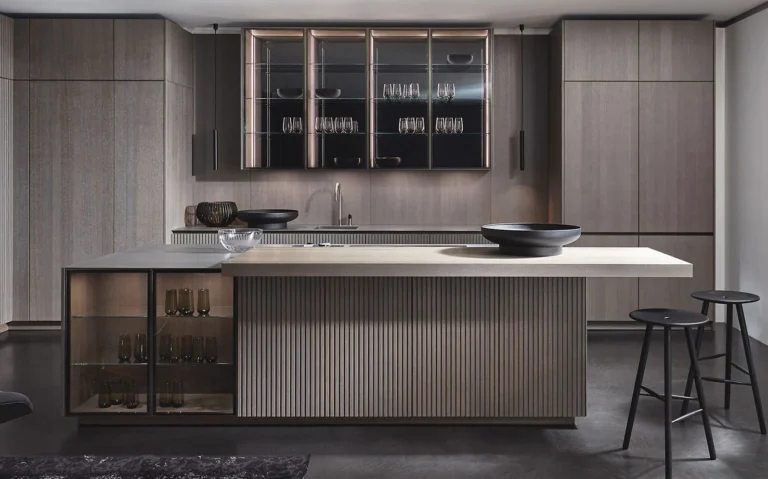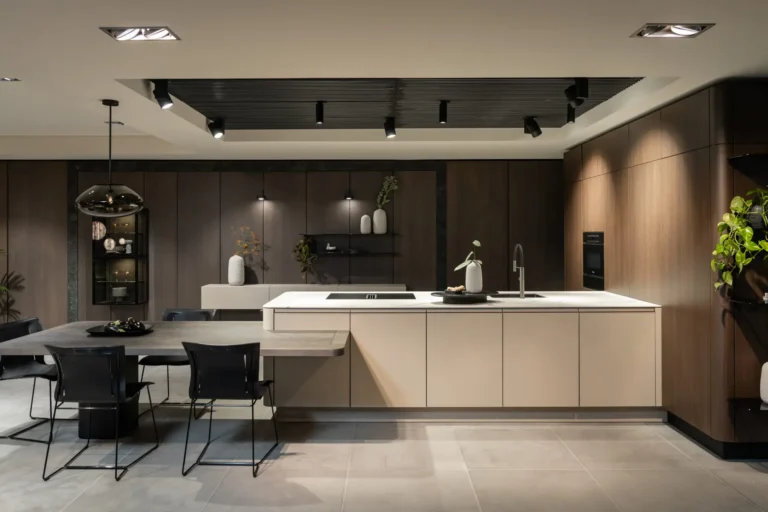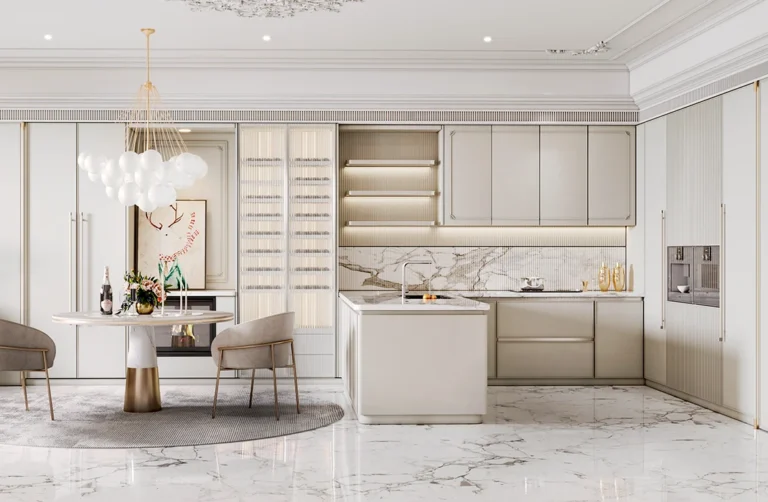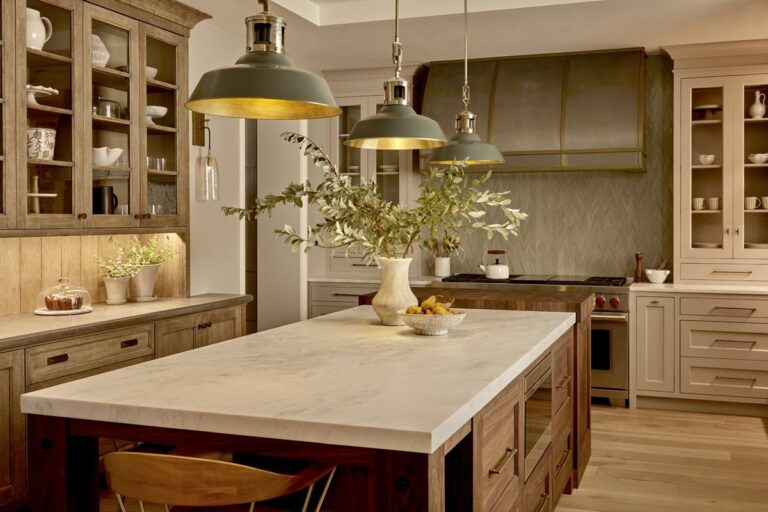
Best Sustainable Kitchens United States: Eco Architecture Blueprint
Transforming residential interior environments across North America demands a rigorous shift toward ecological responsibility and indoor environmental wellness. Historical kitchen construction relied heavily on resource-intensive stone quarrying, petroleum-based synthetic resins, and toxic adhesive chemical compounds. Modern sustainable kitchen design replaces these high-emission practices with non-toxic material sourcing, circular manufacturing principles, and clean induction cooking systems. Best Sustainable Kitchens United States. Architects and homeowners now recognize that genuine sustainability extends beyond simple energy efficiency ratings to include material origin, indoor air purity, and overall structural longevity.
Balancing ecological performance with functional durability requires evaluating complex trade-offs between embodied material carbon, ongoing operational energy usage, and product lifespans. Solid timber surfaces feature low embodied carbon footprints, yet they require non-toxic plant oil sealants to eliminate volatile organic compound off-gassing inside living quarters. Engineered recycled countertops offer exceptional surface strength, but synthetic binder resins complicate end-of-life material recycling. Navigating these trade-offs requires applying comprehensive life-cycle assessment frameworks to balance initial carbon investments against long-term environmental performance.
Building high-performance sustainable kitchens requires seamless integration between architectural millwork, electrical grid capacity, and indoor air ventilation systems. Evolving energy codes and municipal green building standards actively encourage the elimination of residential fossil fuel combustion. Moving away from traditional gas cooktops toward high-efficiency induction systems removes indoor nitrogen dioxide emissions, drastically improving indoor air quality. Long-term success depends on aligning low-emission material procurement with mechanical engineering principles to craft safe, resilient, and low-impact living spaces.
Best Sustainable Kitchens United States
Material Provenance Audits
Evaluating the best sustainable kitchens united states requires auditing every raw material, binder resin, and protective coating through verified supply chain transparency metrics. Consumers frequently assume that natural materials are inherently sustainable, overlooking clear-cutting deforestation and high-energy chemical processing. Achieving true sustainability requires verifying independent environmental product declarations for every cabinet box, stone slab, and wood finish.
Evaluating the best sustainable kitchens united states involves verifying formal environmental certifications, such as Forest Stewardship Council timber tracking and GREENGUARD Gold indoor air quality standards. Eco-conscious cabinet makers utilize compressed agricultural fiber boards or FSC-certified exterior plywood held together with formaldehyde-free soy adhesives. Eliminating toxic urea-formaldehyde glues stops chemical off-gassing into interior air, creating safe residential living spaces.
Operational Energy Optimization
Designing the best sustainable kitchens united states involves cutting long-term operational resource use alongside embodied material carbon footprints. Energy Star certified appliances, heat pump water lines, and low-voltage LED task lighting reduce household electricity consumption over multi-decade operational lifetimes.
Indoor Air Quality Controls
Installing smart induction cooktops paired with high-volume, exterior-vented range hoods ensures complete capture of grease particulates and cooking fumes. Dedicated high-efficiency filters strain airborne grease particles, protecting long-term indoor air quality across living areas.
Deep Contextual Background
Historical Material Evolution
Post-WWII residential construction in the United States prioritized low costs, rapid assembly, and synthetic building materials across suburban developments. Standard kitchen builds relied heavily on plywood bonded with formaldehyde glues, plastic laminate countertops, and synthetic vinyl floor coverings. While these mass-produced materials lowered construction costs, they introduced persistent off-gassing of volatile organic compounds and hazardous air pollutants inside enclosed home environments.
Adoption of Green Standards
Growing awareness of sick building syndrome during the late twentieth century pushed the housing industry toward measurable green building guidelines. The establishment of the U.S. Green Building Council and Leadership in Energy and Environmental Design standards created clear benchmarks for indoor air purity and sustainable material sourcing. Initial green building efforts focused primarily on commercial structures, but residential interior design rapidly adopted these environmental guidelines.
Modern Electrification Trends
The modern sustainable kitchen movement emphasizes total home electrification, circular material loops, and reduced embodied carbon footprints. Municipalities across North America enforce updated building codes that restrict natural gas hookups in new home construction. This regulatory shift accelerates the adoption of smart induction cooktops, heat pump water heaters, and regional reclaimed materials across luxury custom homes.
Conceptual Frameworks and Mental Models
Life-Cycle Assessment Model
This analytical framework measures total environmental impacts across raw material extraction, factory processing, site transportation, home usage, and ultimate disposal. Assessing complete life-cycle footprints prevents selecting materials that save minor operational energy while generating substantial manufacturing waste.
Indoor Air Quality Framework
This health-centered model links material chemical off-gassing rates, mechanical air exchange volumes, and human exposure duration. Reducing toxic material sources limits reliance on continuous mechanical ventilation to maintain healthy indoor air standards.
Circular Material Loop System
This resource framework prioritizes materials that return safely to biological cycles or industrial manufacturing loops without producing toxic waste. Reclaimed barn lumber, stainless steel, and rapidly renewable bamboo represent ideal circular choices for sustainable kitchen construction.
Key Categories and Sustainable Options Best Sustainable Kitchens United States
Reclaimed Architectural Timber
Utilizing timber salvaged from old barns, industrial mills, or urban deconstruction projects prevents forest harvesting while diverting waste from local landfills. Reclaimed timber provides rich visual character and high structural stability, though manual de-nailing and custom milling increase fabrication labor expenses.
Formaldehyde-Free Agri-Fiber Cabinets
Constructed from compressed wheat straw or agricultural crop residue bound with non-toxic resins, agricultural fiber boards replace standard particleboard substrates. These engineered panels eliminate toxic off-gassing completely, though panel edges require strict moisture sealing.
Recycled Glass and Paper Composites
Durable counter surfaces made from post-consumer recycled glass set in cement or paper composite sheets offer non-porous alternatives to quarried granite. Paper composite surfaces offer warm textures, but high-heat cookware can scorch protective surface sealants if trivets are omitted.
High-Efficiency Smart Induction
Induction cooktops transfer electromagnetic energy directly to iron cookware, achieving operating energy efficiency rates above eighty-five percent. Eliminating open gas flames removes indoor nitrogen dioxide pollution completely, though cookware must feature magnetic iron bases.
Local FSC-Certified Hardwoods
Sourcing native domestic hardwoods harvested from responsibly managed regional forests limits transportation carbon emissions while supporting sustainable forestry practices. FSC certification guarantees stringently audited forest management, though exotic wood species choices are limited.
Structural Bamboo Surfaces
Rapidly renewable bamboo stalks reach full growth maturity within five years, yielding dense raw material for cabinetry and flooring. Bamboo offers high tensile strength and natural moisture resistance, though imported products require verifying non-toxic resin usage.
| Sustainable Strategy | Embodied Carbon Level | Indoor Air Quality Index | Fabrication & Material Cost | Expected Longevity |
| Reclaimed Timber | Very Low (Carbon Negative) | Excellent | High | Very High |
| Agri-Fiber Board | Low | Maximum (Zero VOC) | Moderate | High |
| Paper Composite | Moderate | High | Moderate to High | High |
| Smart Induction | Low (Operational Savings) | Maximum (No Gas) | High | High |
| FSC Local Hardwood | Low | Excellent | High | Very High |
| Structural Bamboo | Low | High | Moderate | Moderate to High |
Material Selection Decision Logic
Indoor Air Priority
If family members experience respiratory sensitivities or severe allergies, specify formaldehyde-free agricultural fiber cabinets sealed with solvent-free, zero-VOC waterborne finishes.
Embodied Carbon Reduction
If minimizing total embodied carbon serves as the primary project goal, utilize locally salvaged barn timber for cabinet fronts and accent island cladding.
Surface Durability Needs
If heavy culinary usage demands maximum impact resistance, select solid FSC-certified native white oak or recycled glass cement composite counter surfaces.
Detailed Real-World Scenarios Best Sustainable Kitchens United States
Scenario 1: The Suburban All-Electric Retrofit
A suburban homeowner renovated an aged nineteen-eighties kitchen, seeking to eliminate natural gas lines and lower household electricity usage. The contractor removed the old gas range, upgraded the electrical panel, and installed a four-element smart induction cooktop paired with a high-efficiency exterior-vented range hood. Cabinets were constructed using FSC-certified maple plywood bound with non-toxic soy adhesives. The total energy conversion reduced household carbon emissions while improving indoor air quality significantly.
Scenario 2: The Urban Historic Deconstruction
An architectural firm remodeled a historic brownstone kitchen, aiming for zero landfill material waste throughout the renovation process. Demolition crews carefully dismantled original heart pine joists, shipping the lumber to a regional mill shop for resawing into custom cabinet doors. The counter surfaces were fabricated from locally sourced paper composite sheets made with recycled post-consumer fiber. By salvaging historical materials on-site, the project achieved an ultra-low embodied carbon footprint.
Planning, Cost, and Resource Dynamics
Executing a sustainable kitchen project requires balancing premium upfront material expenditures against long-term utility savings and health benefits. Non-toxic finishes and certified eco-friendly materials often carry higher initial price tags, but their operational durability avoids frequent replacement costs.
Budgeting for eco-friendly kitchen builds requires evaluating green material premiums, specialized trade labor rates, and long-term utility bill reductions.
| Project Scope Level | Sustainable Materials Expense | Specialized Trade Labor | Expected Utility Savings |
| Targeted Eco Upgrade | $15,000 – $35,000 | $10,000 – $20,000 | 15% – 25% Annually |
| Full Sustainable Build | $40,000 – $90,000 | $25,000 – $55,000 | 30% – 45% Annually |
| Ultra-Low Carbon Build | $90,000 – $220,000+ | $60,000 – $130,000 | 50% – 70% Annually |
Tools, Strategies, and Support Systems Best Sustainable Kitchens United States
Environmental Declarations (EPD)
Standardized third-party reports detail a material’s full environmental impact across raw extraction, manufacturing, and transportation cycles, enabling objective material comparisons.
Portable Air Particle Counters
Handheld air monitoring tools measure airborne particulate concentrations and total volatile organic compounds during cabinet installation to verify zero off-gassing performance.
Cast Iron Induction Cookware
Dense iron or magnetic stainless steel cookware maximizes energy transfer efficiency on induction cooktop surfaces while eliminating synthetic non-stick chemical coatings.
Smart Circuit Power Monitors
Digital circuit monitors track real-time electrical consumption across individual kitchen appliances, identifying energy drain issues before utility bills arrive.
Aerated Low-Flow Faucets
Low-flow kitchen faucets utilize advanced pressure-compensating aerators to reduce hot water usage without sacrificing rinsing water pressure.
Risk Landscape and Failure Modes Best Sustainable Kitchens United States
Unverified Greenwashing Claims
Occurs when manufacturers market products as eco-friendly based on vague claims without securing independent third-party certifications like FSC or GREENGUARD.
Undersized Electrical Panels
Happens when upgrading from gas to induction cooking without verifying main electrical panel breaker capacities, causing circuit overloads during high-heat usage.
Moisture-Related Panel Swelling
Occurs when unsealed edges of agricultural fiber cabinet panels absorb water near sinks, causing material swelling and delamination over time.
Governance, Maintenance, and Long-Term Adaptation
Air Quality Monitoring Checks
Test indoor air quality annually using calibrated particulate and VOC sensors to ensure cabinet sealants and mechanical ventilation systems function properly.
Wood Surface Oil Maintenance
Apply non-toxic plant-based oils to reclaimed wood surfaces annually to maintain moisture barriers and prevent timber drying or cracking.
Ventilation Filter Maintenance
Clean and replace filters inside heat recovery ventilation units quarterly to preserve high airflow rates and capture airborne cooking particulates.
Measurement, Tracking, and Evaluation Best Sustainable Kitchens United States
Volatile Organic Compound Readings
Measure baseline interior TVOC concentrations before and after cabinet installation, targeting levels below three hundred micrograms per cubic meter.
Kilowatt-Hour Electricity Draw
Track electric utility meter data to compare kitchen operational energy consumption before and after installing Energy Star and induction equipment.
Diverted Renovation Waste Ratios
Calculate total weight of old kitchen materials recycled or donated during demolition divided by total demolition waste weight, targeting eighty percent diversion.
Common Misconceptions and Oversimplifications
All Natural Materials Are Eco-Friendly
Natural stone quarrying consumes massive energy reserves and causes habitat destruction, making local recycled composites far more environmentally friendly.
Induction Systems Lack Heat Control
Induction systems adjust electromagnetic energy output instantly, offering precise temperature adjustments superior to standard residential gas burners.
Eco Cabinets Lack Structural Strength
Formaldehyde-free agricultural fiber and exterior-grade FSC plywood match or exceed the structural screw-holding strength of traditional industrial particleboard.
Ethical, Practical, and Contextual Considerations
Promoting sustainable kitchen design requires recognizing regional material availability and trade labor constraints across rural and urban markets. Sourcing exotic eco-certified materials from international suppliers generates significant transportation carbon emissions, undermining environmental goals.
Prioritizing regional material supply chains supports local craftsman economies while reducing cross-country freight emissions, resulting in truly sustainable residential architecture.
Conclusion
Mastering the design of the best sustainable kitchens united states requires evaluating culinary spaces through a holistic lens that balances embodied carbon, indoor air quality, and operational energy performance. Success depends on selecting certified non-toxic materials, specifying energy-efficient induction technology, supporting circular material sourcing, and maintaining disciplined jobsite quality control. By replacing toxic synthetic resins with healthy organic substrates and switching from fossil gas to electric induction power, project teams create resilient, healthy, and low-impact domestic environments built for long-term living.