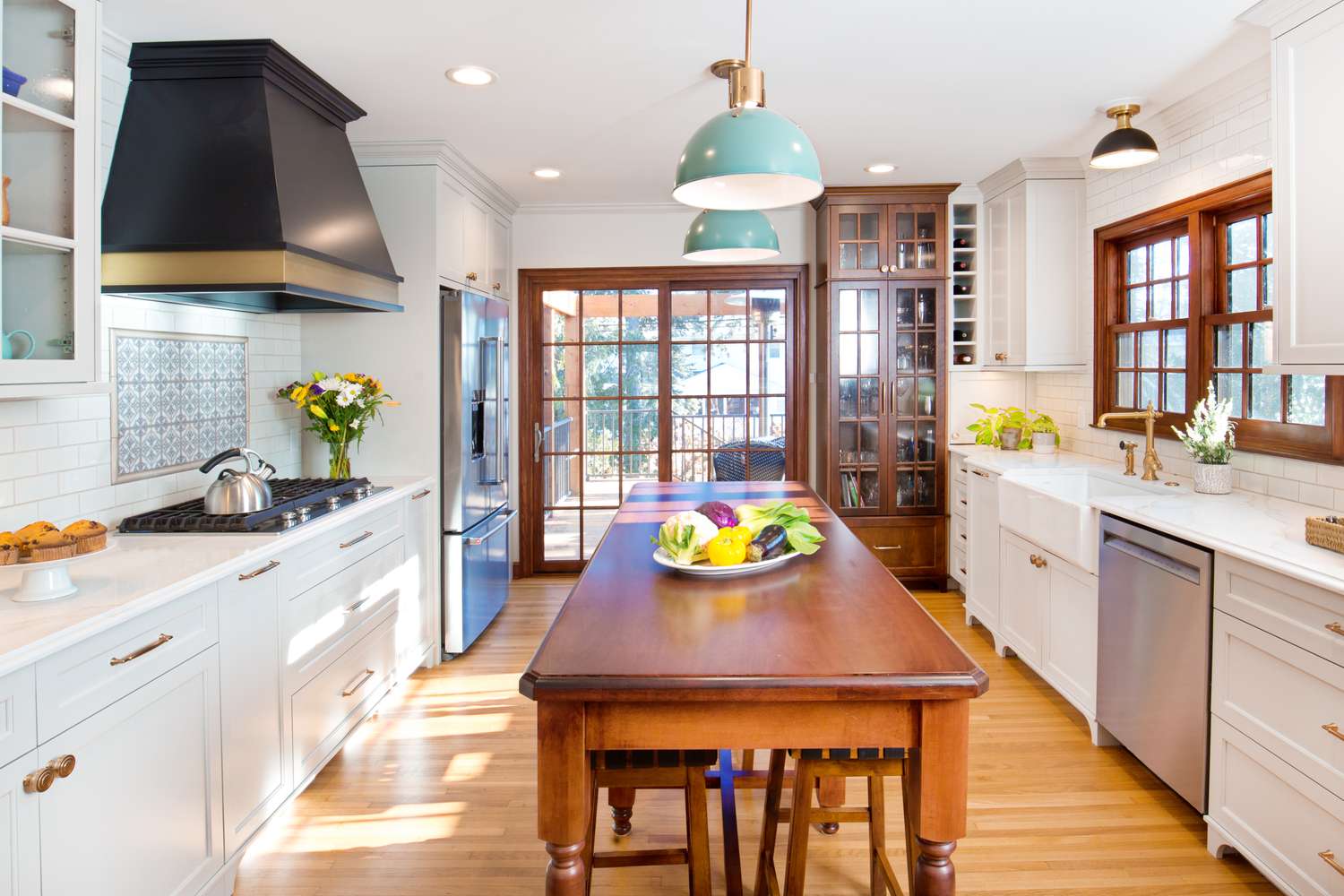
Common Kitchen Countertop Mistakes: Material Selection and Installation Hazards
Selecting and installing residential working surfaces requires balancing petrological physics, structural load pathways, cabinet levelness, and thermal expansion limits. Homeowners often treat work surfaces as purely aesthetic choices, ignoring mechanical forces that act on heavy stone slabs. Common Kitchen Countertop Mistakes. Dense granite, quartz, porcelain, and marble slabs exert substantial dead loads across lower cabinet frames.
Improper support distribution causes invisible tension forces inside stone slabs, leading to micro-cracking around un-reinforced cutout openings over time.
A well-executed installation preserves material integrity while supporting daily culinary tasks comfortably. Fabricators analyze cabinet box levelness, overhang cantilever ratios, seam locations, and sink cutout clearances before cutting raw stone slabs.
Structural evaluation prevents costly slab cracking, seam separation, and surface staining, securing long-term performance and home investment value.
Cabinet Base Stabilization Requirements
Heavy natural stone slabs require perfectly flat base cabinet frames to prevent uneven point loading across spans.
Shimming lower cabinet frames eliminates structural voids, protecting brittle stone slabs from flexural cracking under heavy objects.
Thermal Expansion and Perimeter Clearances
Solid surfaces expand and contract naturally when exposed to ambient temperature shifts and hot cookware.
Placing perimeter expansion gaps along drywall edges prevents stone slabs from buckling or binding against rigid wall studs.
Understanding Common Kitchen Countertop Mistakes
Scope and Engineering Oversight
Analyzing common kitchen countertop mistakes reveals that surface failures usually stem from improper fabrication engineering rather than raw material defects. When stone slabs crack along sink corners or seams separate, underlying causes include unsupported cantilever spans or uneven cabinet bases.
Homeowners frequently select materials based solely on surface color samples without considering porosity rates, heat resistance, or acid sensitivity.
Lowering installation risk requires evaluating slab thickness, seam placement, substrate support, and daily maintenance routines.
Specifying steel support brackets for wide island overhangs prevents catastrophic cantilever failure without compromising leg seating room beneath bars.
Physical Differences Between Sintered and Engineered Stone
Engineered quartz combines crushed natural quartz minerals with polymer resins, creating a non-porous surface that resists household acid staining.
Sintered porcelain is manufactured under extreme heat and pressure, yielding a highly heat-resistant surface that requires specialized diamond tooling during fabrication.
Matching surface material properties with household cooking habits prevents premature surface damage and expensive slab replacements.
Historical Evolution of Domestic Working Surfaces
From Porous Masonry to Engineered Polymers
Early twentieth-century kitchens relied on porous zinc, ceramic tile, and sealed wood butcher blocks to prepare daily meals. Ceramic tile surfaces offered high heat resistance, yet porous grout lines trapped food debris and proved difficult to sanitize.
The introduction of solid surface acrylics and engineered quartz transformed home kitchen design by offering non-porous continuous counter surfaces.
Modern stone fabrication relies on digital waterjet cutters, laser measuring tools, and automated CNC routers to achieve precise seam fitting.
Advancements in Laser Templating Technology
Traditional shop methods used manual balsa wood sticks and hot glue to capture wall variations along cabinet runs.
Modern laser digitizers record three-dimensional room dimensions accurately, transferring exact wall angles directly into computer-guided slab saws.
Conceptual Frameworks for Countertop Selection
The Mohs Hardness and Porosity Matrix
Evaluating surface materials involves comparing mineral scratch resistance against fluid absorption rates.
Selecting materials based on Mohs hardness scores ensures surfaces withstand daily knife contact and liquid spills without scarring.
The Cantilever Support and Load Vector Model
Extending heavy stone slabs past cabinet bases introduces bending forces along overhang edges.
Installing concealed steel brackets beneath deep island overhangs transfers weight safely back to internal cabinet frames.
Surface Material Performance Comparison Matrix
Comparing counter materials across physical metrics helps specifiers select appropriate surfaces for specific culinary zones.
| Material Class | Heat Tolerance | Acid Stain Resistance | Impact Resistance | Relative Cost |
| Natural Granite | Superior | High | High | High |
| Engineered Quartz | Low (Resin Burn) | Superior | High | High |
| Calacatta Marble | High | Low (Etching Risk) | Moderate | Very High |
| Sintered Porcelain | Exceptional | Superior | Moderate (Chipping Risk) | Very High |
Primary Surface Material Categories and Specs
Selecting appropriate counter surfaces requires analyzing trade-offs across maintenance needs, stain vulnerability, and fabrication labor.
| Category Typology | Primary Advantage | Key Vulnerability | Best Application |
| Natural Granite | Unique visual movement and heat resistance | Requires periodic sealing | Active Family Kitchens |
| Engineered Quartz | Uniform pattern and non-porous surface | Damaged by hot pans | Modern Low-Maintenance Homes |
| Natural Marble | Timeless architectural character | Etches from citric acid | Baking Stations & Accent Bars |
| Stainless Steel | Commercial sanitation and heat immunity | Scratches easily under use | Industrial Culinary Spaces |
Natural Granite Slabs
Natural granite offers exceptional thermal endurance, allowing home cooks to set hot cookware down without scorching surfaces.
Periodic application of penetrating sealers blocks liquid absorption, keeping natural stone pores protected against oil discoloration.
Engineered Quartz Surfaces
Engineered quartz delivers consistent color patterns across multiple slabs, hiding seams effectively across long kitchen runs.
Polymer resins inside quartz surfaces yellow or burn when exposed to direct heat, requiring hot pads under warm cookware.
Sintered Porcelain Panels
Sintered porcelain sheets deliver ultra-thin visual profiles while resisting scratches, UV light, and direct thermal exposure.
Rigid porcelain requires expert handling during installation, as un-supported edges chip easily under sharp impacts.
Detailed Real-World Installation Scenarios
Installing Heavy Quartz on Leveling Cabinets
Renovating an older residence reveals that base cabinets drop one inch across an eight-foot island run.
Fabricators shim cabinet bases before placing quartz slabs, preventing dangerous flexural stress across un-supported stone spans.
Fabricating Wide Cooktop Cutouts in Natural Granite
Cutting large appliance openings reduces structural stone width, creating fragile narrow bridges along cutout edges.
Fabricators embed steel reinforcement rods into underside stone grooves, strengthening narrow bridges during site transport.
Seaming Patterned Calacatta Marble Slabs
Connecting veined marble slabs along L-shaped counter corners requires precise pattern matching to maintain visual continuity.
Installers use computer-guided vein matching software to align marble veining across diagonal seam joints smoothly.
Planning, Financial Dynamics, and Slab Yield
Cost Distribution for Countertop Projects
Budgeting for custom counter surfaces involves accounting for raw slab purchasing, edge processing, cutout labor, and site installation.
| Expense Category | Typical Budget Share | Primary Cost Factors |
| Raw Slab Purchasing | 40% – 50% | Material rarity, slab thickness, origin provenance |
| CNC Fabrication & Edges | 25% – 35% | Cutout count, edge profile complexity, polishing |
| Site Delivery & Installation | 15% – 20% | Crew size, stairs, seam leveling, undermount sinks |
Slab Yield and Layout Optimization
Failing to calculate slab square footage accurately forces buyers to purchase additional expensive slabs for small missing sections.
Laying out kitchen shapes efficiently on digital slab maps maximizes yield, reducing material waste and lowering total project expenses.
Fabrication Tools, Templating, and Anchoring
Specialized Field Tools and Assembly Fasteners
Master fabricators utilize specialized alignment gear to pull seam edges tight and secure undermount fixtures.
-
Vacuum Seam Setters: Suction-mounted leveling pods that draw stone edges together flush before epoxy cures.
-
Undermount Sink Clips: Mechanical steel anchors slotted into stone undersides to support heavy water-filled sink basins.
-
Diamond Core Drill Bits: High-speed water-cooled drill bits that cut clean faucet holes without starring brittle stone tops.
Advanced Structural Epoxy Formulations
Two-part color-matched epoxy resins bond stone seams permanently while matching background surface shades.
Mixing precise resin colors ensures seam lines blend invisibly across continuous stone counter runs.
Comprehensive Risk Landscape and Failure Modes
Overhang Tipping and Cantilever Collapse
Exceeding maximum unsupported stone overhang limits creates severe safety hazards if occupants lean on island edges.
Mounting rigid steel support plates directly to cabinet top rails stabilizes wide island bars safely.
Chemical Etching on Calacatta Marble
Spilling lemon juice or vinegars on un-sealed marble causes immediate chemical etching, dulling polished surface finishes.
Applying specialized topical coatings protects acid-sensitive marble surfaces from permanent chemical scarring.
Governance, Maintenance, and Surface Preservation
Quality Control and Field Inspection Standards
Verifying custom counter installation quality requires checking seam gaps, edge polish consistency, and sink support anchoring.
| Inspection Phase | Verification Target | Corrective Action Threshold |
| Cabinet Pre-Check | Frame levelness across spans | Max 1/8-inch variance across ten-foot run |
| Seam Evaluation | Flush edge alignment and tight gap | Seam gap must remain under 1/16-inch wide |
| Sink Anchorage | Undermount mechanical bracket security | Sink rim must hold 150 lbs static weight |
Scheduled Maintenance for Surface Integrity
Preserving natural stone counters requires wiping spills promptly and re-applying penetrating sealers on schedule.
Testing surface porosity annually with water droplets verifies whether sealers remain active or require re-application.
Diagnostic Evaluation and Quality Evaluation
Evaluating finished counter installations involves checking surface levelness, seam smoothness, and edge polishing quality.
Quantitative Performance Metrics
-
Surface Levelness Precision: Verifying stone surfaces maintain true level across cabinet runs using digital sensors.
-
Seam Width Tolerances: Confirming epoxy seam joints do not exceed 1/16-inch total width.
-
Water Bead Absorption Rate: Testing that water droplets bead on sealed natural stone for fifteen minutes without darkening.
Qualitative Design Signals
-
Continuous Edge Sheen: Edge profiles display identical polish gloss levels compared to top slab faces.
-
Smooth Seam Transitions: Running fingertips across seam joints reveals zero vertical lip offset between slabs.
Common Architectural Misconceptions Common Kitchen Countertop Mistakes
Myth 1: Sealed Granite Is Completely Stain-Proof
Homeowners often assume applying penetrating sealer renders natural granite immune to oil and chemical staining.
However, sealers merely slow liquid absorption rates, requiring prompt cleanup to prevent deep oil staining.
Myth 2: Quartz Counters Are Impervious to Thermal Shock
Consumers frequently believe engineered quartz handles scorching hot pans direct from cooktops without damage.
In reality, extreme thermal shifts crack polymer resins inside quartz, leaving permanent white ring burns.
Environmental Sustainability and Material Ethics
Selecting sustainable counter surfaces involves evaluating material quarrying practices, resin content, and fabrication water recycling.
Installing locally quarried stone or recycled glass surfaces reduces transport carbon emissions while supporting sustainable manufacturing.
| Sustainability Metric | Standard Specification | Eco-Friendly Alternative |
| Material Origin | Imported Overseas Slab | Locally Quarried Domestic Stone |
| Fabrication Water Use | Single-Use City Water | Closed-Loop Water Recycling System |
| Resin Content | Petroleum Polymer Resin | Bio-Based Resin / Sintered Mineral |
Choosing environmentally responsible materials ensures kitchen counters remain durable, safe, and sustainable for decades.
Final Synthesis
Navigating residential counter installation requires balancing material selection, structural support engineering, precise seam fitting, and proper maintenance. Recognizing that surface failures result from structural errors enables homeowners to avoid common kitchen countertop mistakes effectively.
When architects, fabricators, and property owners prioritize level cabinet bases, steel overhang brackets, and appropriate material applications, kitchen surfaces deliver lasting beauty and function.