How to Plan Lighting Layout on a Budget: Illumination Systems and Electrical Planning
Designing an efficient residential illumination system requires balancing photometric physics, electrical circuit design, spatial ergonomics, and material costs. Lighting plans are frequently treated as simple decorative surface choices rather than complex functional infrastructure. How to Plan Lighting Layout on a Budget. Unplanned luminaire placement leads to excessive energy consumption, harsh visual glare, deep shadow pockets, and expensive electrical rework during home renovations.
Modern interior lighting relies on proper integration across ambient, task, and accent layers to illuminate functional living zones. Achieving adequate foot-candle levels across task surfaces without over-saturating ambient background planes demands precise lumen output calculations.
Architects calculate beam spreads, color rendering indices, and ceiling reflectivity factors long before electrical wiring boxes are installed.
Cost-effective lighting plans prioritize strategic placement and flexible circuit zoning over expensive decorative luminaire housings. Homeowners achieve professional visual quality by allocating financial resources toward high-CRI LED sources, versatile dimming controls, and strategic switching layouts.
Architectural Integration and Circuit Layouts
Integrating luminaires into existing architectural structures requires analyzing ceiling joist orientation, wall stud spacing, and available electrical panel capacity. Recessed housings must clear HVAC ductwork and structural beams, whereas surface-mounted fixtures require solid junction box support.
Proper circuit division allows homeowners to adjust light levels independently across functional zones, enhancing energy efficiency and spatial mood.
Understanding How to Plan Lighting Layout on a Budget
Technical Scope and Photometric Realities
Learning how to plan lighting layout on a budget requires evaluating lumen output per dollar, fixture efficacy, and electrical rough-in labor costs. Budget-conscious planners often focus exclusively on purchasing low-cost decorative fixtures while ignoring the underlying cost of running electrical wiring runs.
In reality, electrician labor hours, junction box cut-ins, and complex drywall patching represent a significant share of total lighting installation costs.
Lowering costs effectively depends on minimizing unnecessary ceiling cutouts and leveraging high-output surface or track-mounted fixtures. Specifying versatile track heads or plug-in wall sconces delivers targeted illumination without requiring expensive interior wall fishing or multi-gang switch wiring.
Technical Trade-offs and Spatial Ergonomics
Strategic lighting design demands balancing spatial beam spread against ceiling height to prevent harsh shadows and visual hot spots. Deep recessed cans with narrow optics focus intense light downward, creating strong facial shadows and dark wall perimeters.
By contrast, wider beam angles combined with perimeter wall-washing fixtures distribute light evenly across surfaces, making small interior rooms feel expansive.
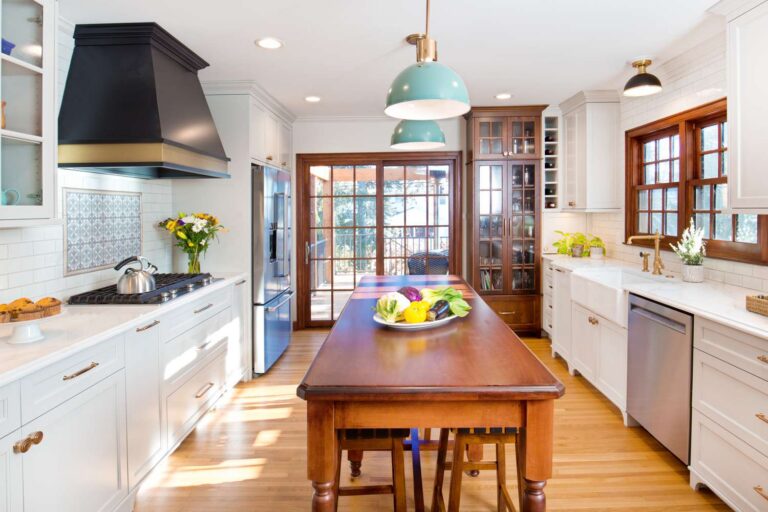
Evaluating how to plan lighting layout on a budget involves selecting multi-functional luminaires that fulfill ambient and task duties simultaneously. Using adjustable surface spotlights directs light toward prep counters while bouncing ambient illumination off light-colored wall planes.
Evolution of Residential Lighting Engineering
Transition from Incandescent Bulbs to Solid-State LEDs
Historical residential lighting relied on high-wattage incandescent bulbs that wasted up to ninety percent of consumed energy as ambient heat. Early electrical layouts compensated for low lumen efficacy by placing single central ceiling fixtures in the middle of living spaces.
The introduction of halogen and compact fluorescent lamps (CFLs) improved energy performance slightly, yet delivered harsh color rendering and slow warm-up times.
Modern solid-state light-emitting diode (LED) technology transformed residential lighting layouts by providing ultra-compact form factors and low power consumption. Solid-state drivers enable slim wafer-style recessed lights that fit inside shallow ceiling cavities without cutting structural joists.
Advancements in Color Temperature and Rendering Controls
Early LED chips produced cold blue-tinted illumination that distorted warm interior wood finishes and fabric upholstery. Modern architectural LEDs achieve high Color Rendering Index (CRI) ratings above ninety, displaying natural interior colors accurately.
Additionally, field-selectable Color Correlated Temperature (CCT) switches allow builders to tune fixture warmth from 2700K to 5000K during installation.
Conceptual Frameworks for Lighting Planning
Zonal Layering and Strategic Beam Angles
Architectural lighting relies on a three-tier framework that categorizes fixtures into ambient, task, and accent layers.
Combining ambient, task, and accent lighting prevents flat visual planes while maintaining proper task illumination across kitchen counters and reading desks.
The Foot-Candle and Lumen Density Model
Planners calculate total required lumens by multiplying target foot-candle ratings by total floor surface area.
Kitchen prep areas demand fifty foot-candles, whereas general living room ambient layers require only twenty foot-candles for comfortable navigation.
Luminaire System Comparison Matrix
Comparing lighting fixture types across optical and economic metrics helps specifiers select appropriate hardware for budget projects.
| Fixture Typology | Installation Labor | Optical Efficiency | Visual Glare Control | Relative Cost |
| Slim LED Wafer Lights | Low (No Can Needed) | High | Low (Shallow Diffuser) | Low |
| Architectural Recessed Cans | High | Superior | High (Deep Baffle) | High |
| Monorail / Track Systems | Moderate | High | Moderate | Moderate |
| Surface-Mounted Flush Mounts | Low | Moderate | Moderate | Low |
Primary Luminaire Categories and Cost Metrics How to Plan Lighting Layout on a Budget
Selecting affordable lighting hardware requires analyzing trade-offs across fixture longevity, glare control, and structural installation needs.
| Category Typology | Core Mechanical Feature | Key Advantage | Primary Limitation |
| Ultra-Slim LED Wafers | Remote driver box with spring clips | Installs directly under ceiling joists | High direct lens glare |
| Linear Under-Cabinet Strips | Direct-wire or plug-in extrusion | Eliminates shadows on prep counters | Visible wiring if unchanneled |
| Directional Track Lighting | Single junction box power feed | Highly flexible beam positioning | Exposed ceiling tracks |
| Architectural Wall Sconces | Vertical wall plate mounting | Bounces light off ceiling planes | Requires wall fishing labor |
Ultra-Slim LED Wafer Lights
Slim LED wafers feature thin aluminum housings that mount flush against drywall surfaces using spring-tension side arms.
These compact fixtures eliminate expensive structural recessed housings, making them an ideal choice for low-budget remodel projects.
Linear Under-Cabinet LED Strips
Under-cabinet LED tape lights provide continuous task illumination directly over kitchen counter surfaces.
Mounting aluminum channels beneath upper cabinet lips conceals the light source while shielding eyes from harsh direct diode glare.
Directional Track Systems
Track lighting systems feed multiple adjustable spotlight heads from a single ceiling junction box.
This arrangement reduces electrical wiring costs by illuminating multiple room zones without cutting additional ceiling holes.
Detailed Real-World Design Scenarios How to Plan Lighting Layout on a Budget
Renovating Open-Concept Living Spaces
A budget-conscious renovation of an open-concept living room requires updating outdated central ceiling fixtures without rewiring entire plaster ceilings.
The designer installs a continuous perimeter track system connected to existing junction boxes, bouncing indirect light off surrounding wall planes.
Outfitting a Compact Galley Kitchen
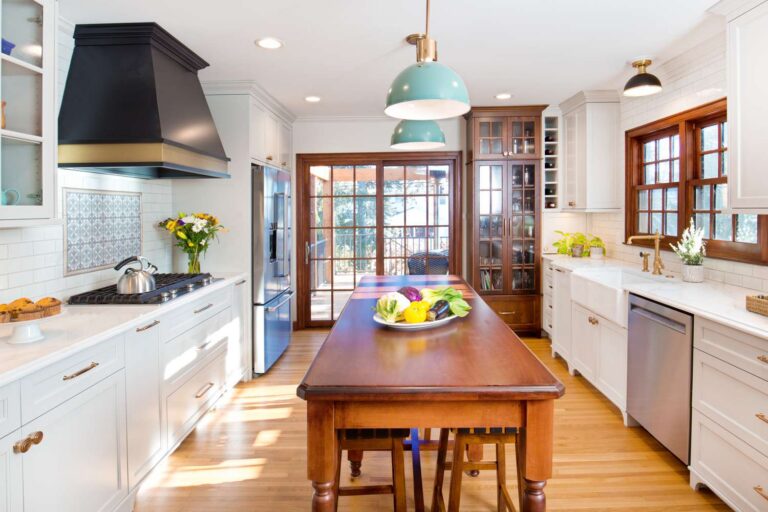
A narrow galley kitchen suffers from dark counter surfaces caused by a single central flush-mount ceiling globe.
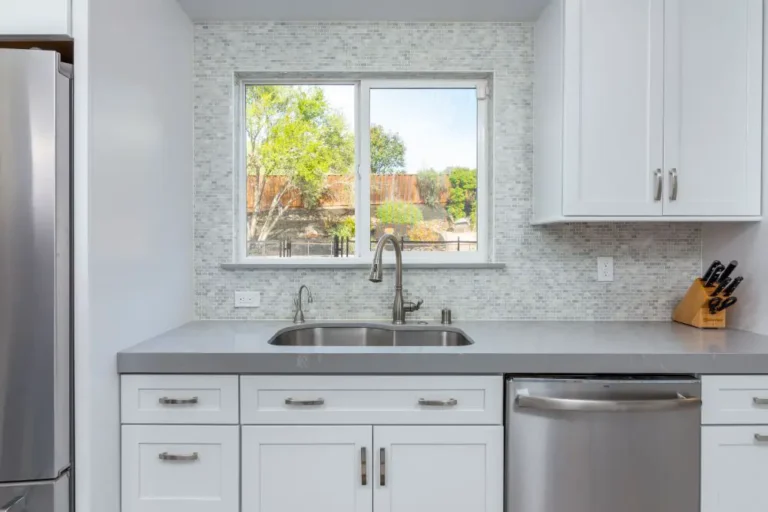
The electrician adds direct-wire under-cabinet LED bars paired with two wide-angle ceiling wafers, eliminating shadows across prep surfaces.
Updating a Dark Basement Home Office
A basement home office with low drop-ceiling grid tiles requires clean, glare-free task lighting for computer work.
The installer mounts lightweight LED flat panels directly into the ceiling grid, delivering uniform illumination without sagging support wires.
Financial Dynamics and Cost Optimization
Budget Allocation Strategies for Lighting Projects
Planning a cost-effective lighting project involves distributing funds strategically between labor, control switches, and physical luminaires.
| Expense Category | Typical Budget Share | Primary Cost Factors |
| Electrical Labor & Wiring | 50% – 60% | Hourly trade rates, wall fishing, drywall repair |
| Luminaires & LED Drivers | 25% – 35% | CRI rating, optics quality, fixture housing finish |
| Dimmer Controls & Switches | 10% – 15% | LED-compatible dimmers, smart control integration |
Labor Costs and Electrical Rough-in Planning
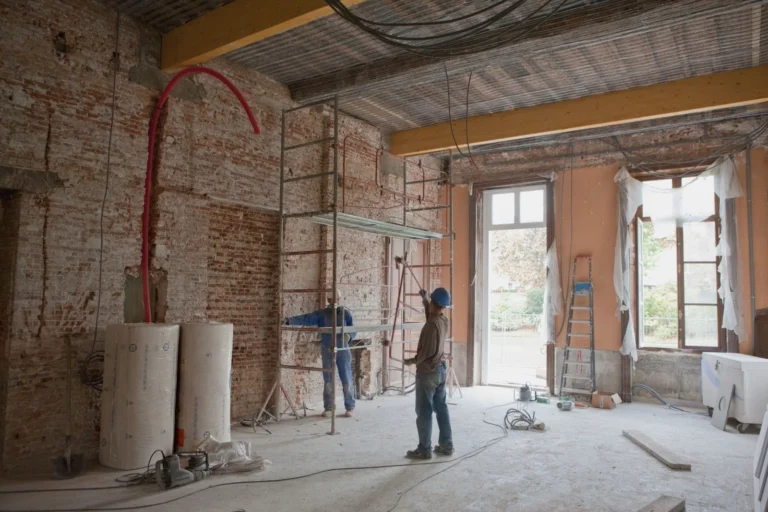
Labor expenses increase rapidly when electricians must cut into finished lathe-and-plaster walls to run new switch legs.
Using surface-mounted raceways or wireless smart switch receivers reduces labor hours by eliminating structural wall cutting.
Hardware Tools and Photometric Calculation Systems
Modern Layout Software and Circuit Testers
Space planners use digital lighting design software to model foot-candle distribution and evaluate fixture layout symmetry.
-
Digital Lux Meters: Handheld sensors that measure actual surface foot-candles to verify task light compliance.
-
Non-Contact Voltage Testers: Handheld diagnostic tools that verify dead circuits before installing hardware.
-
Photometric Layout Calculators: Digital software engines that simulate room reflectance and fixture beam patterns.
Advanced Dimming Control Interfaces
Installing high-quality pulse-width modulation (PWM) LED dimmers prevents annoying light flicker and extends solid-state driver lifespans.
Selecting dimmers rated specifically for capacitive LED loads ensures smooth light adjustment down to one percent output levels.
Risk Landscape and Photometric Failure Modes
Visual Glare and Inadequate Task Illumination
Placing unshielded flat wafer lights directly above seating zones causes unpleasant visual glare for room occupants.
Positioning fixtures outside direct line-of-sight angles prevents visual fatigue and preserves comfortable ambient room contrast.
Color Temperature Mismatches Across Fixtures
Combining 2700K warm bulbs with 4000K cool wafer lights within the same open room creates an uncoordinated visual environment.
Specifying uniform CCT fixtures across connected open living spaces ensures harmonious interior color rendering.
Governance, Code Compliance, and System Maintenance
Electrical Safety Inspections and Code Standards
Building codes regulate residential electrical installations to prevent wire overheating, circuit overloading, and fire hazards.
| Inspection Stage | Primary Verification Target | Corrective Action Threshold |
| Rough-In Inspection | Cable stapling, junction box fill limits | Secure loose cables; upgrade undersized boxes |
| IC-Rating Verification | Insulation clearance around recessed housings | Use IC-rated fixtures in insulated ceilings |
| Final Trim Inspection | GFCI protection, switch function, polarities | Rewire reversed hot-neutral line terminals |
Scheduled Maintenance for LED Efficiency
Cleaning dust buildup off fixture lenses annually restores output efficiency and prevents heat retention around sensitive electronic drivers.
Replacing failing internal LED drivers promptly protects surrounding circuit components from current spikes and premature failure.
Quantitative Measurement and Performance Tracking
Evaluating lighting layout performance involves measuring surface foot-candles, visual glare ratings, and circuit power draw.
Quantitative Performance Metrics
-
Target Foot-Candle Levels: Verifying kitchens receive fifty foot-candles while hallways maintain ten foot-candles.
-
Color Rendering Index Verification: Ensuring installed LED chips meet or exceed a 90 CRI baseline score.
-
Total Circuit Power Density: Measuring total wattage per square foot to confirm compliance with energy codes.
Qualitative Light Uniformity Signals
-
Visual Shadow Balance: Task surfaces remain fully illuminated without harsh shadows cast by standing occupants.
-
Smooth Dimming Curves: Luminaires dim down smoothly without visible flickering or low-level electrical humming.
Common Lighting Design Misconceptions How to Plan Lighting Layout on a Budget
Myth 1: More Recessed Cans Always Create Better Room Illumination
Homeowners often believe installing grid patterns of ceiling recessed lights guarantees superior room brightness.
In reality, overusing recessed cans creates harsh downlight shadows and turns ceilings into unsightly Swiss-cheese surfaces.
Myth 2: High-Wattage Bulbs Fix Poor Lighting Layouts
Property owners sometimes attempt to correct dark room corners by installing higher-wattage bulbs in existing fixtures.
However, increasing bulb wattage increases visual glare without delivering balanced light to perimeter wall planes.
Environmental Sustainability and Energy Efficiency
Modern lighting layouts prioritize high-efficacy LED sources, recycled luminaire metals, and smart occupancy controls.
Installing automated motion sensors in low-occupancy spaces reduces household energy consumption and extends driver operating life.
| Environmental Metric | Standard Specification | Eco-Friendly Alternative |
| Efficacy Rating | 60 Lumens per Watt | 110+ Lumens per Watt Premium LED |
| Fixture Housing | Virgin Plastic Components | Recyclable Extruded Aluminum |
| Lighting Control | Basic Mechanical Toggle | Programmable Occupancy Dimmer |
Selecting sustainable, high-efficiency lighting hardware lowers utility bills while supporting long-term resource conservation goals.
Final Synthesis
Planning a functional lighting layout on a budget requires balancing photometric principles, strategic fixture selection, and smart control layouts. Understanding how spatial beam angles, layer stacking, and electrical labor affect overall costs empowers homeowners to make informed design decisions.
When architects, electricians, and property owners focus on strategic fixture placement rather than expensive decorative hardware, budget lighting plans deliver exceptional beauty, functionality, and value.