Compare Kitchen Lighting Fixtures: Comprehensive Architectural Analysis
Kitchen lighting design occupies a critical position within architectural interior planning, operating at the intersection of electrical engineering, visual ergonomics, and spatial design. Unlike living rooms or bedrooms where ambient illumination dominates, the culinary workspace demands precise task lighting combined with glare-free general illumination. When designers evaluate luminaire performance, they must balance thermal management, driver compatibility, color rendering fidelity, and beam spread geometry. Compare Kitchen Lighting Fixtures. The modern kitchen has evolved into an active multi-functional hub where food preparation, social interaction, and administrative work occur simultaneously under varying environmental conditions.
Engineers and lighting designers face complex spatial challenges when specifying fixtures for modern kitchens. Millwork overhangs create harsh shadowing across prep surfaces if task light sources are placed incorrectly relative to the worker’s head. Furthermore, polished stone countertops—such as quartzite or polished granite—behave like specularity-heavy mirrors, reflecting exposed LED diodes and creating distracting hot spots. Addressing these visual defects requires a rigorous technical approach that balances lumen output, physical diffusion media, and structural placement within ceiling cavities and millwork structures.
Evaluating residential luminaires requires looking beyond surface aesthetics or decorative housing materials. Long-term satisfaction depends on fundamental driver quality, Color Rendering Index values, correlated color temperature consistency, and dimming protocol performance. As residential building standards push toward higher energy efficiency, home managers and trade professionals must examine fixture categories through a comprehensive performance framework. Systemic illumination planning prevents costly retrofits, reduces visual fatigue, and preserves the architectural intent of the surrounding interior space.
Compare Kitchen Lighting Fixtures
When technical teams compare kitchen lighting fixtures, they must evaluate physical form factors alongside electrical metrics to establish proper spatial performance. Superficial reviews often focus strictly on decorative casing materials or aesthetic exterior styles. However, professional evaluation requires inspecting thermal dissipation capacity, driver efficiency, optical beam spread, and total delivered lumens. Understanding how recessed downlights, linear LED channels, surface-mounted cylinders, and decorative pendants interact allows lighting planners to construct unified illumination layers.
A common failure in residential lighting plans stems from relying on a single luminaire type to serve all functional needs. Installing an array of high-output recessed downlights across a ceiling grid might achieve required foot-candle targets, yet it creates harsh vertical shadowing on vertical surfaces and counter edges. To compare kitchen lighting fixtures accurately, one must analyze how direct downlighting interacts with indirect cove lighting, under-cabinet task arrays, and decorative focal fixtures across varying ceiling heights and room dimensions.
Electrical Performance Standards
High-performance luminaires rely on stable internal drivers that manage voltage fluctuations effectively. Quality drivers maintain smooth dimming curves down to one percent without generating audible high-frequency hums or visible flickering artifacts.
Optical Control Mechanics
Light direction is controlled using specialized reflectors, total internal reflection lenses, and diffusion films. These optical components shape beam angles cleanly while minimizing glare that strikes eye level directly.
Deep Contextual Background
The evolution of residential kitchen lighting mirrors broader developments in electrical engineering, building codes, and domestic architecture over the past century. Early twentieth-century kitchens relied on a single central incandescent ceiling fixture, providing minimal general illumination while leaving peripheral countertops cast in heavy shadow. As domestic spaces expanded during the post-war housing boom, surface-mounted fluorescent tubes were introduced to boost raw foot-candle output across food preparation zones.
While fluorescent technology improved energy efficiency and reduced thermal output, its low Color Rendering Index produced poor color fidelity and unpleasant spatial environments. The introduction of low-voltage halogen downlights in the late twentieth century allowed for tight beam control and rich color rendering, establishing the original baseline for architectural task lighting. However, halogen systems generated substantial heat, consumed excessive wattage, and required frequent lamp replacements due to limited filament lifespans.
The solid-state lighting revolution fundamentally transformed residential fixture design through high-efficiency Light Emitting Diodes. Early LED retrofits suffered from erratic color temperatures, poor dimming compatibility, and driver failures, yet continuous semiconductor research quickly resolved these initial performance gaps. Modern architectural LEDs offer continuous color spectrums, advanced thermal management fins, and compact physical profiles, allowing fixtures to be embedded directly into micro-sized millwork channels and ceiling plaster layers.
Conceptual Frameworks and Mental Models
Lighting specifiers utilize structured analytical frameworks to evaluate luminaire performance, ensuring that visual comfort aligns with functional tasks and structural constraints.
The Layered Illumination Framework
This model divides lighting design into three primary layers: ambient background light, focused task illumination, and accent feature highlights. Ambient lighting establishes baseline room visibility, task lighting provides direct illumination over work zones, and accent lighting emphasizes architectural millwork or decorative textures.
The Photometric Geometry Model
The photometric model evaluates beam angle spreads, center-beam candlepower, and mounting heights to calculate foot-candle levels across horizontal surfaces. Designers map light distribution cones to ensure adequate beam overlap, preventing dark gaps between adjacent fixtures while avoiding excessive light spillage.
The Spectral Fidelity Model
Color accuracy is assessed using TM-30 metrics, evaluating color fidelity and color gamut scores alongside standard Color Rendering Index values. This model ensures that raw food ingredients, natural wood cabinet veneers, and skin tones appear rich and natural under artificial light sources.
Key Categories and Technical Variations
Evaluating kitchen lighting options requires analyzing structural mounting types, optical control mechanisms, and spatial trade-offs across distinct luminaire classifications.
Recessed Architectural Downlights
Mounted flush within ceiling cavities, recessed downlights deliver targeted downward illumination. Modern architectural downlights feature deep-regressed light engines that hide the light source from direct view, significantly reducing visual glare across open-plan living areas.
Linear Under-Cabinet LED Channels
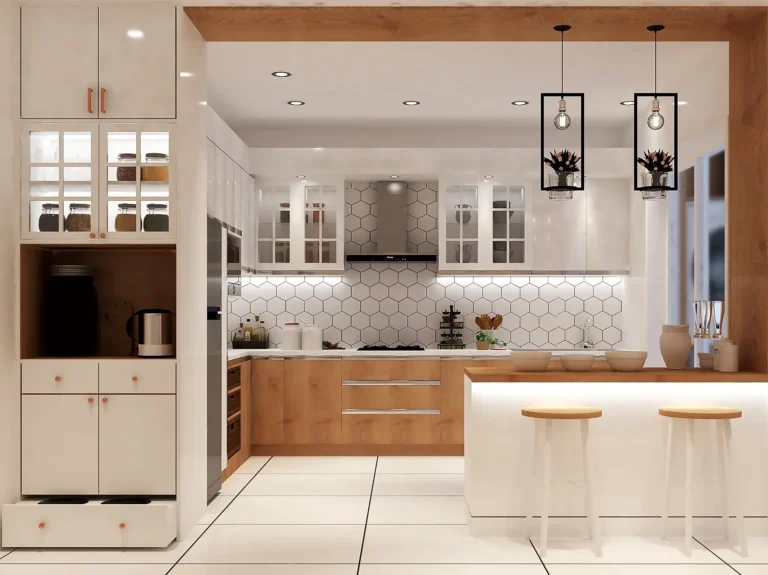
Installed beneath wall-hung cabinetry, linear aluminum profiles house continuous LED tape lights behind opaque diffusers. These channels cast uniform, shadow-free illumination across preparation counters, eliminating shadows created by ceiling fixtures positioned behind the user.
Decorative Island Pendants
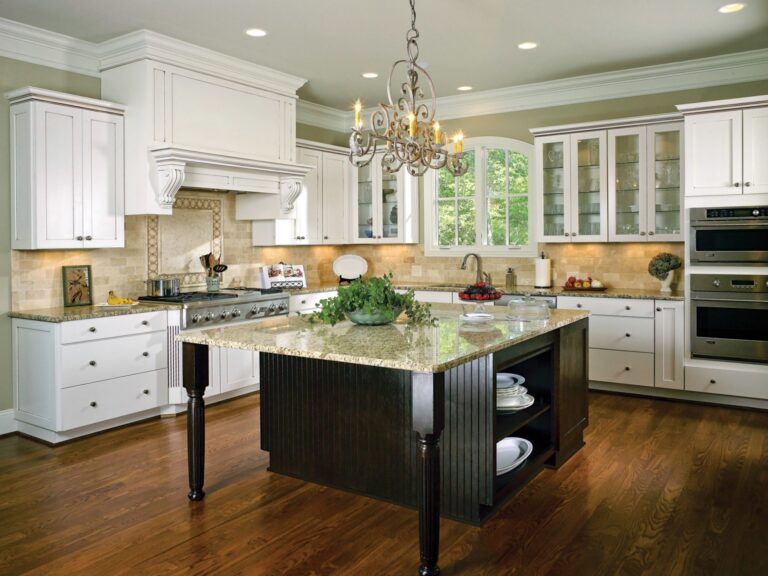
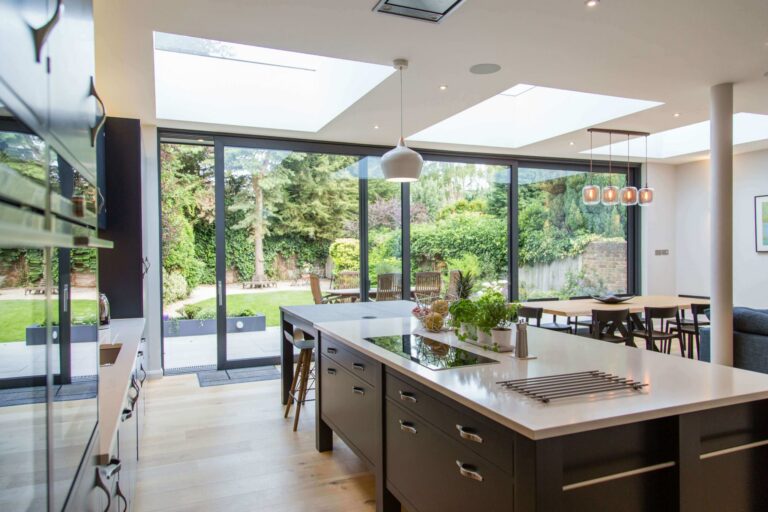
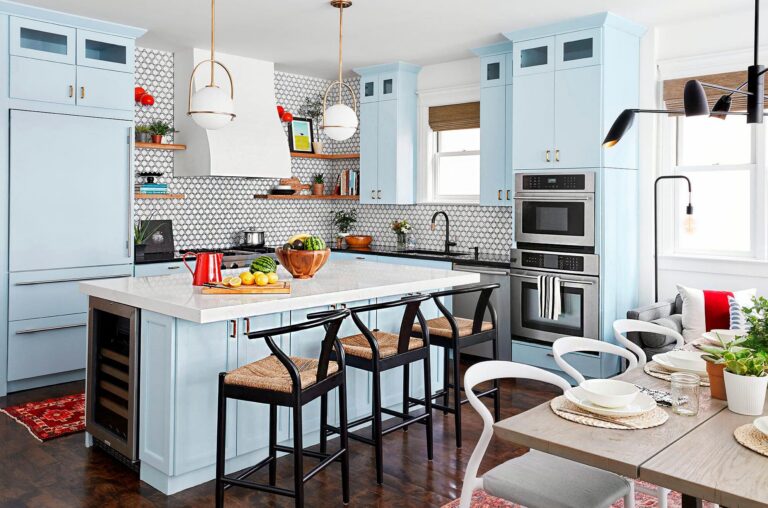
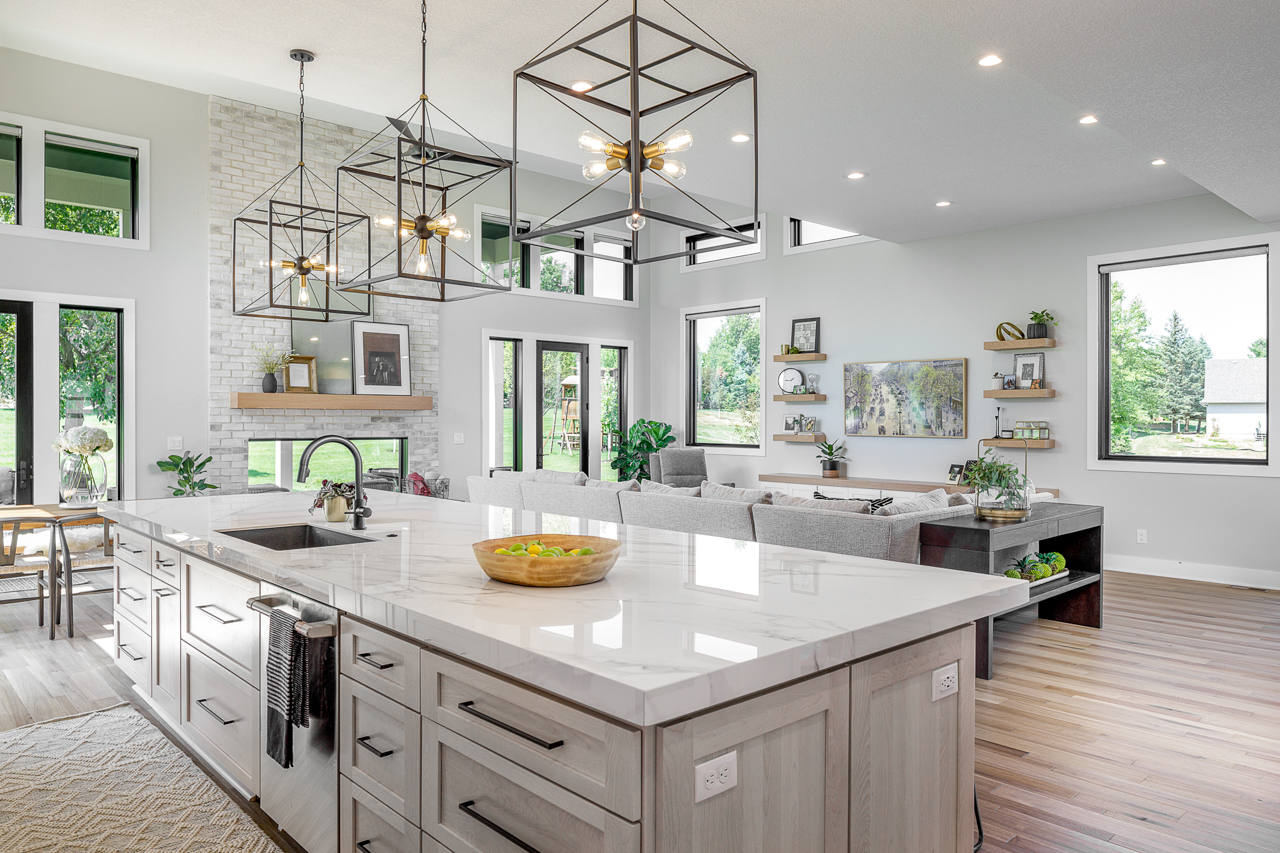
Suspended from ceiling junction boxes, pendant fixtures serve as spatial anchors above central kitchen islands. Pendants provide functional downward light onto island surfaces while introducing decorative materials like hand-blown glass, brass, or powder-coated aluminum into the space.
Surface-Mounted Cylinders
Positioned directly on ceiling surfaces, directional cylinders offer an architectural alternative when ceiling joist depth or concrete slab construction prevents recessed fixture installation. Their exposed housing provides modern structural character while supporting tight beam control.
Monorail and Track Systems
Flexible track systems utilize field-bendable rails or rigid channels to support adjustable spotlight heads. These systems allow light to be aimed precisely toward pantry shelving, art walls, or angled prep zones without adding multiple ceiling penetrations.
Indirect Architectural Cove Lights
Concealed within soffits or atop tall cabinet runs, linear indirect fixtures bounce light off ceiling planes. This creates soft, ambient fill light that reduces contrast ratios across the upper third of the room, making low ceilings feel visually higher.
| Fixture Category | Primary Optical Role | Typical Mounting Location | Glare Control Efficacy | Relative System Cost |
| Recessed Downlights | Ambient / Direct Task | Ceiling Cavity | High (Deep Regressed) | Moderate to High |
| Linear Channels | Surface Task | Cabinet Underside | Very High (Diffused) | Low to Moderate |
| Decorative Pendants | Focal / Task | Over Island | Variable | Moderate to Extreme |
| Surface Cylinders | Directional Ambient | Exposed Ceiling | Moderate | Moderate |
| Track Systems | Adjustable Task | Surface Mounted | Variable | Moderate |
| Cove Lighting | Indirect Ambient | Soffit / Cabinet Top | Superior | Low to Moderate |
Selection Logic Framework
Selecting the proper luminaire configuration requires systematically assessing spatial geometries, ceiling structures, and surface materials:
Structural Cavity Inspection
If ceiling joist space is restricted or concrete slabs prevent recessed housing cutouts, specify surface-mounted architectural cylinders or low-profile monorail systems instead of deep recessed housings. If full ceiling cavities are available, select adjustable recessed downlights with deep optic regress.
Countertop Finish Evaluation
If polished countertop surfaces generate harsh specular reflections, specify continuous linear LED channels housed within deeply diffused aluminum channels. Avoid exposed, non-diffused LED diodes over high-gloss stone materials.
Spatial Height Assessment
If ceilings exceed ten feet in height, select narrow-beam recessed downlights with high center-beam candlepower to punch light down to work planes. For standard eight-foot ceilings, select wide-angle flood optics to distribute light smoothly.
Detailed Real-World Scenarios Compare Kitchen Lighting Fixtures
Scenario 1: The Modern High-Gloss Loft
A converted industrial loft features high-gloss polished quartzite counters, concrete ceiling slabs, and exposed ductwork. The structural concrete ceiling prevents recessed downlight installation, while the reflective counters amplify light diode hot spots. Designers installed surface-mounted aluminum directional cylinders to provide ambient downlighting. Task zones were fitted with continuous, high-density linear LED tape mounted inside extra-deep, 45-degree angled aluminum tracks with heavy opal diffusers. This setup prevented diode reflections while delivering even foot-candles across work surfaces.
Scenario 2: The Traditional Low-Ceiling Renovation
A suburban kitchen renovation features eight-foot ceilings, deep upper cabinetry, and dark natural walnut millwork. The low ceiling height causes standard wide-angle recessed lights to generate uncomfortable eye-level glare. The solution combined sub-two-inch aperture recessed micro-downlights equipped with black solitude baffles, casting glare-free light downward. Indirect linear cove lights were placed above tall wall cabinets, bouncing light across the white ceiling to expand the room visually and soften sharp shadows.
Planning, Cost, and Resource Dynamics
Designing high-performance kitchen lighting requires balancing initial component acquisition costs with long-term energy consumption, installation labor, and maintenance requirements. While basic consumer-grade fixtures offer low initial prices, commercial-grade architectural luminaires deliver superior color consistency, field-replaceable drivers, and robust thermal heat sinks.
Installation labor costs vary depending on structural access and electrical wiring complexity. Retrofitting recessed fixtures into existing plaster ceilings requires specialized drywall patching and wire-fishing labor, whereas new construction allows for rapid rough-in framing housing installation.
| Component Tier | Cost Per Fixture Unit | Primary Technical Feature | Estimated Lifetime |
| Basic Consumer | $15 – $45 | Standard driver, 80 CRI, non-replaceable module | 15,000 Hours |
| Mid-Tier Architectural | $50 – $150 | Dedicated driver, 90+ CRI, interchangeable optics | 35,000 Hours |
| Commercial Grade | $160 – $400+ | Phase/0-10V driver, 95+ CRI, field-serviceable parts | 50,000+ Hours |
Tools, Strategies, and Support Systems Compare Kitchen Lighting Fixtures
Executing precise lighting layouts requires professional design software, optical testing instruments, and standardized electrical control systems.
Photometric CAD Software
Lighting design software models room dimensions, surface reflectances, and luminaire IES data files. These tools generate foot-candle heat maps, allowing designers to resolve dark spots before electrical rough-in stage.
Handheld Spectroradiometers
Field testing instruments measure exact correlated color temperatures, foot-candle levels, and spectral distributions on site, verifying that installed fixtures meet project specifications.
Digital Addressing Dimming Systems
Smart lighting control panels utilize 0-10V, DALI, or phase-cut dimming protocols to manage individual lighting zones, allowing users to program custom scene presets for cooking, dining, or entertaining.
Micro-Prismatic Lenses
Specialized glare-control films slide inside linear channels to spread light beams evenly across counters while suppressing unwanted side glare.
Thermal Imaging Cameras
Infrared cameras monitor LED junction temperatures inside closed cabinet spaces, verifying that heat sinks dissipate thermal energy effectively to prevent early driver failure.
Risk Landscape and Failure Modes Compare Kitchen Lighting Fixtures
Lighting installations can fail due to thermal overload, driver incompatibility, optical distortion, or improper physical placement.
Driver and Dimmer Mismatch
Flickering occurs when LED drivers are paired with incompatible dimmer switches. Low-voltage magnetic drivers require dedicated dimming controls to prevent audible hums and uneven dimming curves.
Thermal Junction Overheating
LED performance degrades when thermal heat sinks are choked inside tight unvented millwork channels. Excessive operating heat accelerates lumen depreciation and causes color shifting toward blue wavelengths.
Specular Glare Artifacts
Exposed LED diodes reflect directly off polished stone surfaces when diffusion lenses are omitted, creating high-contrast visual hot spots that cause eye strain during prep work.
Governance, Maintenance, and Long-Term Adaptation
Maintaining optimal lighting performance requires ongoing inspection, cleaning routines, and planned component replacements over the installation lifecycle.
Cleaning and Dust Removal
Dust accumulation on optics and heat sink fins reduces lumen output and heat dissipation capacity. Optics should be wiped gently with microfiber cloths annually to maintain optical clarity.
Driver Inspection Protocols
Power supply units should be inspected every five years for signs of thermal stress or capacitor swelling, ensuring prompt replacement before full system failure occurs.
Optical Adjustment Verification
Adjustable downlight heads and track spotlights can shift orientation during routine cleaning. Maintenance teams should verify aiming angles annually to keep light directed on target zones.
Measurement, Tracking, and Evaluation
Assessing lighting quality requires comparing quantitative photometric measurements against qualitative visual comfort metrics.
Foot-Candle Verification
Task counters should register 50 to 75 foot-candles of light, while ambient background zones maintain 20 to 30 foot-candles. Measurements are taken using light meters placed flat on work surfaces.
Color Consistency Audit
All luminaires within a single visual zone should match within a 2-step MacAdam ellipse, ensuring that white paint finishes and cabinetry look consistent across the entire room.
Visual Comfort Evaluation
Lighting layouts are checked for direct glare by evaluating sightlines from primary seating and working positions, ensuring light sources remain shielded from direct view.
Common Misconceptions and Oversimplifications Compare Kitchen Lighting Fixtures
When contractors and homeowners compare kitchen lighting fixtures, several common industry myths often lead to flawed lighting choices.
Higher Wattage Equals Better Light
Raw power consumption does not equal light quality or usable output. Delivered lumens and optical beam control determine how effectively a fixture illuminates a target surface.
Recessed Grid Layouts Are Sufficient
Arranging recessed lights in a symmetrical ceiling grid without considering underlying furniture layouts creates deep shadows on counters when users block light from behind.
Neutral Color Temperatures Feel Cold
A 3000K or 3500K color temperature is often wrongly classified as sterile. In reality, crisp neutral light enhances task visibility and keeps white millwork from looking yellowed.
Ethical, Practical, and Contextual Considerations
Modern lighting choices carry significant environmental and health impacts. Specifying high-efficiency LED luminaires cuts residential power consumption, lowering carbon emissions over system lifespans.
Furthermore, integrating circadian-friendly lighting controls—which shift color temperatures from cool daytime tones to warm evening hues—supports healthy sleep cycles for occupants spending extended time in interior spaces.
Conclusion
Comparing kitchen lighting fixtures requires evaluating electrical parameters, optical control techniques, and physical mounting methods against real-world spatial constraints. Successfully lighting a kitchen depends on layering distinct fixture types—combining glare-free recessed downlights, high-CRI linear task lights, and architectural indirect sources into a cohesive system. Prioritizing driver quality, optical control, and proper spatial placement over temporary decorative trends ensures that residential illumination remains functional, visually comfortable, and structurally reliable for decades.