How to Avoid Kitchen Plumbing Mistakes: Installation and Piping Standards
Residential kitchen plumbing systems represent delicate mechanical networks where pressurized supply fluids and gravity-fed waste streams operate in continuous balance. Installing these piping runs requires strict adherence to fluid dynamics, atmospheric pressure differentials, and local building codes. When a kitchen sink drain fails to evacuate wastewater smoothly, the underlying cause usually extends beyond a simple surface clog. How to Avoid Kitchen Plumbing Mistakes. Improper pipe pitch, undersized branch lines, missing vent stacks, or incorrect trap configurations frequently restrict fluid velocity.
The modern kitchen integrates numerous water-fed appliances within a tight cabinet footprint, complicating mechanical layouts. Dishwashers, ice makers, under-sink filtration systems, and secondary prep sinks strain conventional drain capacity.
Integrating these high-volume discharge devices demands careful planning to prevent cross-contamination and backflow events.
Preventing catastrophic water damage requires treating kitchen plumbing as an interconnected engineering matrix rather than a series of isolated pipe fittings. Minor installation oversights, such as over-tightening plastic lock nuts or mismatching metal pipe materials, degrade fitting seals over time. Master plumbers prevent micro-leaks, sewer gas infiltration, and pipe corrosion by verifying pressure ratings, expansion allowances, and mechanical connections.
Understanding How to Avoid Kitchen Plumbing Mistakes
Operational Scope and Hydrodynamic Physics
Understanding how to avoid kitchen plumbing mistakes requires recognizing that domestic drainage relies entirely on atmospheric pressure and gravitational acceleration to transport suspended solids. When wastewater flows down a sink drain, air must enter the pipe system to break internal vacuum forces. Missing or improperly sized air vents cause wastewater to siphon water out of P-traps, allowing noxious sewer gas to enter living spaces.
Homeowners and inexperienced installers often focus on cosmetic fixture selection while ignoring critical underlying mechanical dimensions. Installing a deep undermount sink lowers the tailpiece discharge point, which can alter the drop relative to the existing wall drain stub-out.
Connecting a lowered sink tailpiece into a wall inlet that sits too high creates a standing water trap inside the drain arm.
Learning how to avoid kitchen plumbing mistakes demands a systematic analysis of slope ratios, pipe diameters, material compatibility, and mechanical venting limits. Pipe joints must accommodate thermal expansion cycles caused by alternating discharges of boiling pasta water and ice baths. Plumbing designers calculate pipe friction loss and drain capacity to prevent chronic blockages and protect cabinetry investments.
Structural Differences Between Gravity Waste and Pressurized Supply Lines
Plumbers manage distinct physical forces when configuring pressurized clean water supply lines versus non-pressurized gravity waste pipes. Pressurized supply lines transport potable water under forty to eighty pounds per square inch of hydrostatic pressure, requiring sealed solder, crimp, or compression fittings.
Gravity waste lines operate without internal water pressure, relying on smooth horizontal pitch, gradual sweeping turns, and atmospheric venting to sweep suspended solids downstream without surging.
Evolution of Residential Drainage and Supply Infrastructure
From Cast Iron and Lead to Engineered Polymers
Nineteenth-century residential kitchens relied on heavy cast-iron waste stacks, lead solder joints, and galvanized steel supply pipes to manage water distribution. Cast-iron pipes possessed excellent acoustic dampening properties, yet their interior surfaces roughened over decades of service, snagging grease and food debris. Galvanized steel supply pipes suffered from internal rust accumulation, which restricted water volume and discolored household drinking supplies.
The mid-twentieth century brought copper tubing and polyvinyl chloride (PVC) waste piping into standard residential building practices. Lightweight acrylonitrile butadiene styrene (ABS) and PVC materials replaced heavy cast-iron stacks, streamlining job-site assembly while delivering ultra-smooth interior walls that resist corrosion.
Modern residential installations utilize cross-linked polyethylene (PEX) for supply lines, providing flexible continuous runs that minimize mechanical concealed fittings and resist freeze-bursting.
Advancements in Air Admittance and Backflow Prevention
Early kitchen drain designs required running dedicated copper or cast-iron vent stacks through rooflines for every fixture.
The development of engineered mechanical air admittance valves (AAVs) transformed kitchen island design, allowing local atmospheric venting inside cabinet spaces without penetrating roof structures.
Systemic Frameworks for Kitchen Hydronic Engineering
The Gravity Drainage Slope and Velocity Framework
Sizing and pitching horizontal waste lines requires balancing fluid flow rates with solid transport capabilities.
Maintaining a precise quarter-inch fall per linear foot ensures wastewater generates sufficient scouring velocity to wash food waste through drain pipes.
The Hydraulic Trap and Atmospheric Venting Balance
P-traps isolate living spaces from municipal sewer gases by maintaining a continuous standing water barrier inside the curved pipe dip.
Proper venting prevents negative pressure waves from siphoning trap seals dry when heavy water volumes discharge through branch drains.
Pipe Material Performance Comparison Matrix
Comparing piping materials across physical and operational metrics helps builders select appropriate supply and waste systems.
| Material Class | Thermal Resistance | Corrosion Immunity | Joint Method | Relative Cost |
| Schedule 40 PVC / ABS | Moderate (140°F Limit) | Complete | Solvent Cement Weld | Low |
| Cast Iron (No-Hub) | Exceptional | Moderate | Mechanical Shielded Couplings | High |
| Type L Copper | Superior | Moderate (Pitting Risk) | Soldered / Press Fit | Very High |
| PEX-a Polymer | High (180°F Limit) | Complete | Cold Expansion / Crimp Ring | Moderate |
Primary Plumbing Failure Zones and Pipe Materials
Identifying failure risks across key installation zones helps plumbers prevent premature pipe degradation and water leaks.
| Installation Zone | Common Failure Mode | Primary Root Cause | Prevention Protocol |
| Undermount Sink Strainer | Slow seepage around lip | Hardened plumber’s putty breakdown | Use neutral-cure silicone sealant |
| Dishwasher Waste Tie-In | Wastewater back-siphonage | Missing high drain loop or air gap | Secure high loop under countertop |
| Flexible Angle Stop Valve | Threaded compression leaks | Over-tightening brass compression nuts | Finger-tight plus one-quarter turn |
| Ice Maker Water Supply | Punctured saddle valve failure | Piercing needle seal degradation | Install dedicated brass ball valve |
Undermount Sink Strainer Connections
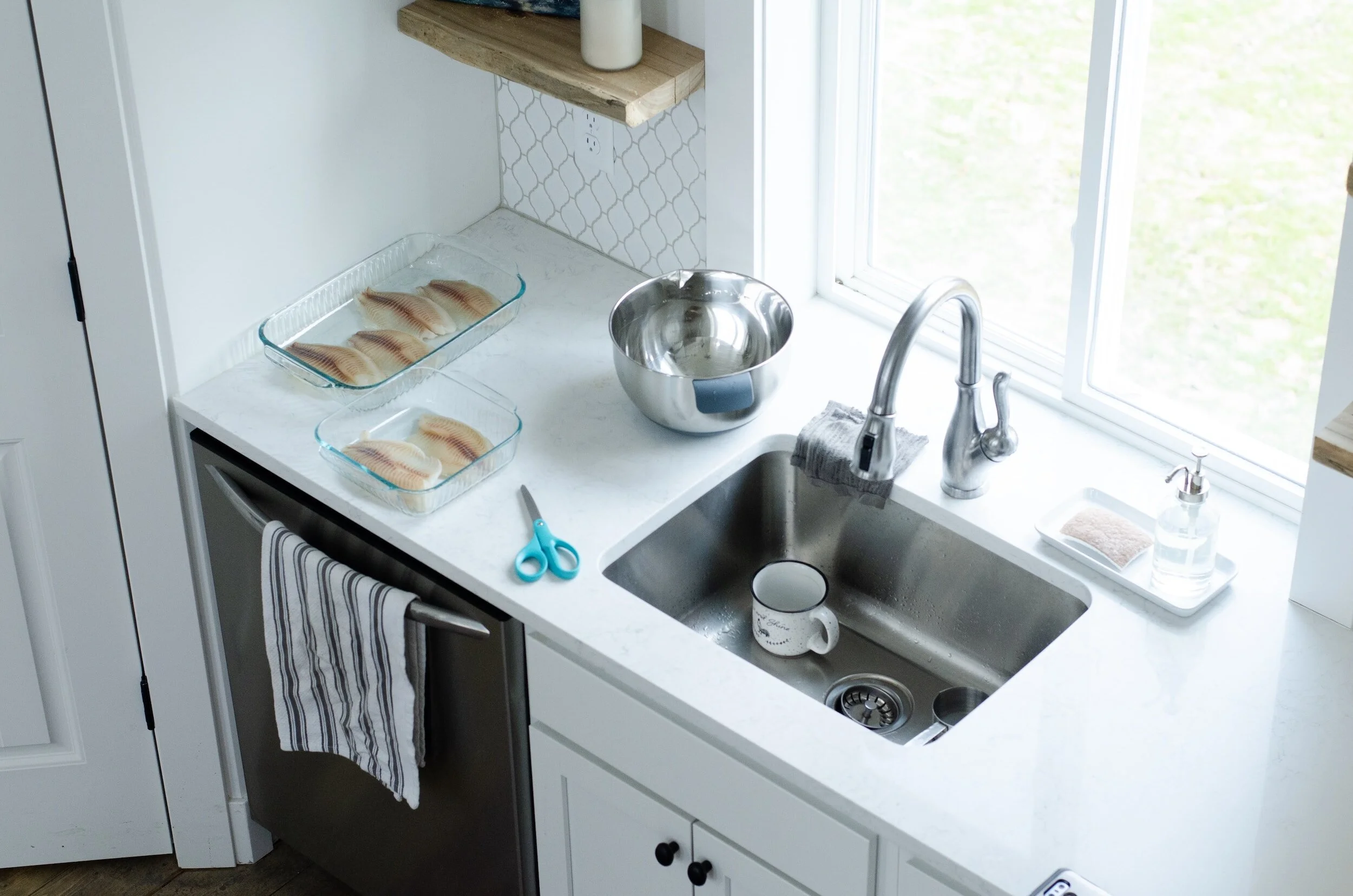
Sink strainers fail when installer putty dries out, cracks, and permits water seepage under the sink basin.
Using high-grade neutral-cure silicone sealants beneath stainless steel strainer rims provides flexible, waterproof seals that absorb thermal expansion cycles.
Dishwasher Discharge Line Configurations
Directing dishwasher waste hoses into garbage disposals without raising the hose line permits sink wastewater to backflow into clean dishwashers.
Fastening the flexible discharge hose high under the countertop creates an elevated physical barrier that prevents dirty sink water from entering the appliance.
Compression Angle Stop Valve Installations
Over-tightening brass compression nuts onto copper supply stubs warps copper tubing walls, causing slow concealed leaks inside cabinets.
Tightening compression nuts carefully using two offset wrenches prevents pipe distortion while securing a leak-free mechanical seal.
Detailed Real-World Installation Scenarios How to Avoid Kitchen Plumbing Mistakes
Kitchen Island Sink Retrofit without Dedicated Roof Vents
Installing an island prep sink requires placing drain lines inside open floor plans without access to vertical wall vents.
Plumbers install an approved air admittance valve high inside the island cabinet, providing local air intake that preserves the P-trap seal safely.
Garbage Disposal Integration into Deep Double-Basin Sinks
Connecting a heavy garbage disposal unit to deep double-basin sinks lowers the primary horizontal waste outlet significantly.
The installer reconfigures the wall drain stub-out lower inside the wall cavity, ensuring the drain line slopes downward toward the main branch stack.
High-Pressure Refrigerator Ice Maker Supply Line Upgrade
Replacing self-piercing saddle valves on copper water lines eliminates a frequent source of concealed kitchen wall leaks.
The plumber installs a solid brass compression tee fitting paired with a dedicated quarter-turn ball valve behind the refrigerator enclosure.
Economic Dynamics and Financial Risk Management
Cost Distribution for Kitchen Plumbing Projects
Budgeting for kitchen plumbing upgrades involves accounting for pipe rough-ins, fixture mounting, appliance connections, and code permits.
| Expense Category | Typical Budget Share | Primary Cost Drivers |
| Rough-In Pipe & Fittings | 25% – 35% | Wall opening, copper soldering, PEX home runs |
| Fixtures & Trim Hardware | 35% – 45% | Faucet cartridge quality, undermount sinks |
| Appliance Hookups | 15% – 20% | Gas flex lines, ice maker boxes, disposal mounts |
| Permits & Code Inspections | 10% – 15% | Municipal fees, pressure testing verification |
Indirect Costs of Hidden Moisture Damage
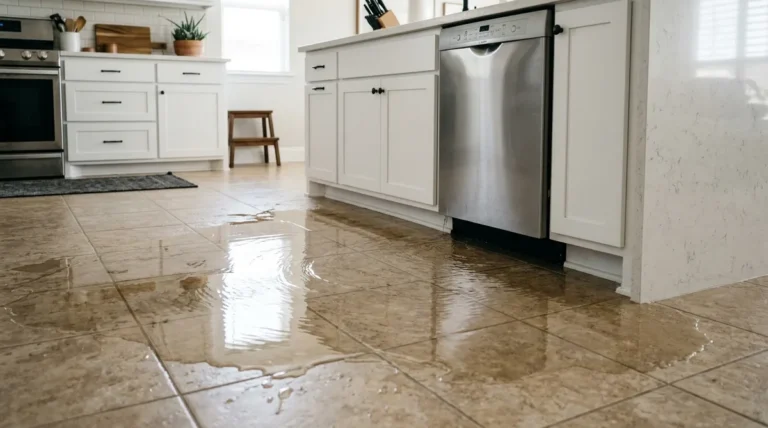
Undetected slow supply line leaks ruin subfloors, warp custom cabinetry bases, and promote hidden mold growth behind walls.
Installing smart water leak sensors and automatic shut-off valves protects expensive kitchen finishes from unexpected pipe failures.
Specialized Tools, Hardware, and Support Systems
Essential Installation Tools and Fasteners
Master plumbers rely on specialized tools to execute precise mechanical joinery and secure pipe connections.
-
Tubing Cutters with Reamers: Clean copper and PEX pipe ends smoothly, removing internal burrs that induce fluid turbulence.
-
Cold Expansion PEX Tools: Expand polymer tubing rings evenly to form high-integrity mechanical press joints around brass fittings.
-
Adjustable Basin Wrenches: Reach narrow mounting nuts behind deep undermount sink basins to secure faucet bodies firmly.
Advanced Backflow and Leak Mitigation Hardware
Installing modern protective plumbing hardware prevents appliance discharge contamination and mitigates catastrophic pipe bursts.
Using stainless steel braided flex lines with integrated auto-shutoff valves blocks high-pressure water flow if a supply hose ruptures.
Comprehensive Risk Landscape and Failure Modes
Galvanic Corrosion in Dissimilar Metal Contact
Joining copper supply lines directly to galvanized steel pipes without dielectric isolation triggers rapid electrochemical galvanic corrosion.
Plumbers install brass fittings or dielectric unions to separate dissimilar metals electrically, preventing localized pipe wall degradation.
Chemical Degradation from Harsh Drain Cleaners
Pouring concentrated chemical drain openers into clogged kitchen sinks damages rubber gaskets and corrodes brass tailpiece threads.
Using mechanical drain snakes or biological enzyme cleaners removes organic grease blockages safely without destroying interior pipe walls.
Governance, Code Compliance, and Long-Term Maintenance
Municipal Inspection and Compliance Milestones
Municipal building codes govern pipe sizing, venting limits, and backflow prevention to protect public health and safety.
| Inspection Stage | Verification Target | Corrective Threshold |
| Rough-In Phase | Pipe pitch, pressure testing, vent sizing | Zero pressure drop on hydrostatic gauges |
| Top-Out Phase | Fixture mounting, trap seal depth | Verify minimum 2-inch P-trap water seal |
| Final Inspection | Backflow prevention, shutoff access | Test angle stop valves and air gap operation |
Scheduled Maintenance for Hydronic Systems
Maintaining kitchen plumbing systems requires inspecting cabinet stubs, cleaning faucet aerators, and testing emergency shutoff valves periodically.
Exercising angle stop valves annually prevents mineral buildup from locking valve stems in place during emergency water shutoffs.
Diagnostic Evaluation and System Performance Tracking
Evaluating kitchen plumbing efficiency requires monitoring drain evacuation speeds, checking water supply pressure, and verifying trap operation.
Quantitative Performance Metrics
-
Drain Evacuation Time: Timing how rapidly a full ten-gallon sink basin drains completely without gurgling sounds.
-
Static Supply Pressure: Measuring standing water pressure at the faucet, targeting forty to sixty pounds per square inch.
-
Slope Fall Precision: Verifying horizontal waste runs maintain a strict quarter-inch fall per linear foot using digital levels.
Qualitative System Signals
-
Silent Waste Discharge: Drains should evacuate water smoothly without emitting sputtering, bubbling, or suction noises.
-
Dry Cabinet Enclosures: Under-sink cabinet floors remain completely dry without salt crusting around threaded compression joints.
Common Plumbing Misconceptions and Myths How to Avoid Kitchen Plumbing Mistakes
Myth 1: Garbage Disposals Can Process Unlimited Food Waste
Homeowners often believe commercial-grade garbage disposals can grind fibrous vegetable peels, coffee grounds, and liquid grease safely.
In reality, grease solidifies inside cold drain pipes, catching ground vegetable fibers and creating dense pipe blockages downstream.
Myth 2: Increasing Drain Pipe Pitch Always Improves Water Flow
Inexperienced builders sometimes assume pitching horizontal waste pipes steeply at one inch per foot speeds up drainage.
However, water runs ahead of solid waste in overly steep pipes, leaving dry food debris behind to clog the line.
Ethical and Environmental Considerations
Modern residential plumbing design prioritizes water conservation, energy efficiency, and environmentally responsible pipe manufacturing.
Installing low-flow kitchen faucets and insulated hot water recirculation lines reduces household water consumption and energy usage significantly.
| Environmental Metric | Standard Specification | Eco-Friendly Alternative |
| Faucet Flow Rate | 2.2 Gallons Per Minute | 1.5 Gallons Per Minute Aerated Trim |
| Hot Water Distribution | Standard Branch Supply | Thermostatic Recirculation Loop |
| Waste Pipe Sourcing | Virgin PVC Resin | Recycled-Core ABS / Cast Iron |
Selecting durable, recyclable plumbing supplies ensures long-term system performance while supporting environmental sustainability efforts.
Final Synthesis
Preventing kitchen plumbing failures requires balancing hydraulic principles, material selection, precise pipe pitch, and code compliance. Understanding how drainage venting, water pressure dynamics, and mechanical connections interact allows builders to construct reliable plumbing systems.
When homeowners, architects, and master plumbers prioritize proper slope calculations, durable PEX or copper piping, and high-quality backflow protection, kitchen plumbing operates silently and safely for decades.