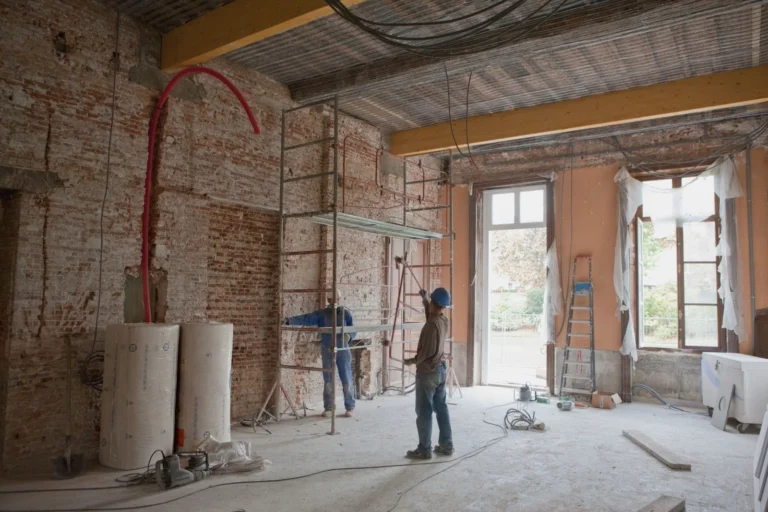
How to Manage Remodeling Contractor Delays: Contractual Strategies and Schedule Oversight
Managing major residential renovations requires continuous monitoring of structural sequences, trade labor availability, material supply chains, and municipal building inspections. Schedule slippage rarely stems from a single isolated failure. Delays usually accumulate through a series of small, unrecorded disruptions across interconnected tasks. How to Manage Remodeling Contractor Delays. Unforeseen structural conditions behind opened walls can stall trade crews while engineering solutions are reviewed.
When a primary schedule path experiences friction, downstream specialty trades face immediate scheduling conflicts. An electrician who is forced to reschedule due to framing delays may not be available for several weeks. This compounding dynamic transforms minor material delays into major project stoppages.
Resolving timeline slippage demands an analytical approach to contract administration, active communication, and critical path tracking. Homeowners must distinguish between excusable delays caused by unseasonable weather and inexcusable disruptions resulting from poor subcontractor management. Establishing clear contractual milestones, formal change order procedures, and structured communication logs protects both project budgets and overall completion dates.
Understanding How to Manage Remodeling Contractor Delays
Systemic Scope and Legal Realities
Understanding how to manage remodeling contractor delays requires recognizing that construction schedules represent dynamic operational hypotheses rather than static promises. Delays are evaluated based on contract terms, baseline schedule logic, and contemporaneous job-site records. When schedule slippage occurs, property owners must assess whether the disruption sits on the critical path or affects non-critical floating tasks.
Homeowners frequently make the mistake of responding to schedule slippage with emotional confrontation rather than factual documentation. Threatening contract termination without contractual justification can constitute a material breach of contract, exposing the owner to legal liability.
Effective schedule management relies on objective milestone tracking, formal written notices, and joint problem-solving mechanisms. Property owners evaluate daily job logs, material delivery slips, and submittal schedules to identify early warning signs of project friction. By addressing schedule slippage through structured administrative protocols, property owners maintain project momentum while preserving legal rights under the construction agreement.
Distinguishing Excusable and Inexcusable Disruptions
Construction contracts categorize delays into excusable, non-excusable, compensable, and non-compensable classifications. Excusable delays stem from events beyond the general contractor’s reasonable control, such as severe weather events or delayed municipal utility approvals.
Inexcusable delays result from contractor mismanagement, inadequate trade staffing, or unexcused material ordering delays.
Historical Evolution of Construction Schedule Management
From Verbal Estimates to Gantt Charts and Critical Path Methods
Early residential remodeling relied on informal verbal estimates, basic trade handoffs, and flexible timeline targets. Craftsmen managed projects sequentially, ordering materials as work progressed without formal schedule analysis.
The mid-twentieth century brought structured project management methodologies from civil engineering into residential building. The development of the Critical Path Method (CPM) allowed builders to identify dependent work sequences and calculate project float.
Modern remodeling management utilizes cloud-based software platforms that integrate critical path scheduling with real-time material tracking and sub-trade messaging.
Evolution of Contractual Delay Mechanisms
Historical construction agreements rarely contained detailed terms regarding schedule performance, delay damages, or notice requirements. Unscheduled project pauses often led to protracted litigation over implied completion obligations.
Contemporary residential construction agreements incorporate specific delay clauses, including liquidated damage provisions, time-extension protocols, and formal change order systems.
Systemic Frameworks for Construction Schedule Control
The Critical Path Method and Float Absorption
The Critical Path Method identifies the longest sequence of dependent tasks that determines the overall project duration.
Non-critical tasks contain float time, allowing minor delays without extending the overall project completion date.
The Variance Analysis and Early Warning Framework
Project managers compare actual job-site progress against the baseline schedule at fixed operational intervals.
Identifying small performance gaps early allows contractors to apply corrective recovery strategies before schedule slippage compounds.
Schedule Impact Matrix
Evaluating delay categories across operational variables helps owners determine appropriate contractual and managerial responses.
| Delay Category | Root Cause Example | Critical Path Impact | Contractual Remedy | Responsibility |
| Excusable / Compensable | Owner scope additions | High | Time extension & cost adjustment | Property Owner |
| Excusable / Non-Compensable | Severe weather event | High | Time extension only | External Factors |
| Inexcusable / Non-Compensable | Unstaffed job site | High | Mandatory schedule recovery plan | General Contractor |
| Non-Critical Drift | Cabinet hardware delay | Zero | Internal float absorption | Specialty Vendor |
Primary Root Causes of Project Schedule Slippage
Understanding delay categories requires analyzing trade coordination failures, long-lead supply bottlenecks, and hidden site conditions.
| Root Cause Category | Primary Operational Failure | Downstream Impact | Prevention Strategy |
| Supply Chain Disruptions | Custom millwork lead time errors | Finish trade sequencing stalls | Pre-ordering critical materials |
| Subcontractor Misalignment | Overbooked specialty trades | Unstaffed job sites for days | Mandated sub-trade commitments |
| Unforeseen Site Conditions | Hidden structural or pipe decay | Structural redesign approval delays | Pre-demolition investigative holes |
| Municipal Permitting Stalls | Inspection scheduling delays | Rough-in trade work halts | Early plan submission tracking |
Supply Chain Bottlenecks and Long-Lead Material Delivery
Custom cabinetry, specialized glazing, and imported finish tiles often carry lead times ranging from twelve to twenty weeks.
Failing to place material orders early causes extended work stoppages while trades wait for key components to arrive.
Subcontractor Sequencing and Overbooked Capacity
General contractors frequently depend on independent sub-contractors who manage multiple job sites simultaneously.
When one project experiences delays, trade crews get reassigned, leaving secondary job sites completely unstaffed for days.
Unforeseen Existing Conditions behind Framing
Demolishing existing plaster and drywall often reveals hidden structural rot, un-permitted wiring, or corroded plumbing stacks.
Resolving these structural defects requires engineering evaluations, change order approvals, and additional scope execution before original work resumes.
Detailed Real-World Renovation Scenarios How to Manage Remodeling Contractor Delays
Kitchen Remodel Stalled by Custom Cabinetry Fabrication
A major kitchen renovation stalls because custom cabinetry fabrication is delayed by six weeks at the millwork shop.
The contractor halts tile installation and appliance hookups, as these trades depend on finalized cabinet box positioning.
Historic Home Structural Floor Framing Remediation
Demolition in an 1890s Victorian residence reveals severely notched floor joists requiring immediate sistering and structural leveling.
Work halts while a structural engineer inspects the framing, drafts stamped calculations, and submits plans for municipal permit revisions.
Exterior Structural Addition Blocked by Inspection Backlogs
A rear home expansion stalls during framing because the municipal building department faces severe inspector staffing shortages.
Framing remains exposed to weather while awaiting approval, delaying closed-in insulation, drywall, and interior finish schedules.
Financial Resource Dynamics and Cost Inflation How to Manage Remodeling Contractor Delays
Financial Impact of Project Timeline Extensions
Schedule slippage creates direct financial costs for both property owners and general contractors across multiple operational categories.
| Cost Expense Category | Primary Cost Driver | Financial Impact Level |
| Temporary Housing / Rent | Extended apartment leases or short-term rentals | High direct ongoing cost |
| Contractor Overhead Overhead | Prolonged dumpster rentals, port-a-potty fees | Moderate continuous accumulation |
| Construction Financing | Extended interest payments on construction loans | High cumulative cost |
| Material Price Escalation | Price increases on deferred material orders | Variable market-driven cost |
Carrying Costs and Extended Financing Terms
Prolonging construction timelines increases interest accumulation on construction loans, eating into remaining contingency reserves.
Factor carrying costs into initial project budgets to protect household finances from unexpected construction delays.
Analytical Tools and Project Oversight Systems
Cloud-Based Construction Management Platforms
Modern project tracking platforms provide real-time schedule visibility, daily field logs, photo documentation, and change order tracking.
Shared digital dashboards keep owners and contractors aligned on milestone progress, material delivery status, and outstanding decision deadlines.
Essential Administrative Management Tools
-
Three-Week Look-Ahead Schedules: Detailed short-term operational plans provided by contractors to outline upcoming trade handoffs.
-
Formal Submittal Logs: Tracking documents that record material selections, finish samples, and fabrication approval dates.
-
Contemporaneous Job Logs: Daily written notes recording site attendance, weather conditions, work performed, and delivered supplies.
Comprehensive Risk Landscape and Schedule Failure Modes
Compounding Trade Misalignment Hazards
A failure in early project sequences creates cascading delays across all subsequent finishing trades.
Missing a single inspection window can set project completion back by weeks as sub-contractor availability resets.
Owner-Induced Scope Creep and Decision Fatigue
Property owners often contribute to schedule slippage by delaying finish selections or requesting mid-project design changes.
Unfinalized tile selections or fixture changes stall plumbing rough-ins and halt wall closing sequences.
Governance, Contract Administration, and Dispute Mitigation
Contractual Mechanisms for Schedule Enforcement
Well-drafted construction agreements incorporate specific clauses to govern schedule performance, delay notices, and recovery expectations.
| Clause Mechanism | Core Function | Practical Application |
| Milestone Schedule Clause | Establishes binding dates for key project phases | Holds contractor accountable to incremental goals |
| Liquidated Damages Clause | Defines pre-agreed daily financial offset for delays | Compensates owner for extended living costs |
| Time Is of the Essence Clause | Makes schedule adherence a material contract term | Provides legal grounds for default notices |
| Formal Notice Provisions | Mandates written reporting of delay events within days | Prevents surprise back-dated delay claims |
Structured Dispute Resolution Frameworks
When schedule disagreements arise, structured communication protocols help resolve conflicts before resorting to legal action.
-
Joint Site Walk-Throughs: Weekly on-site meetings to review physical progress against baseline schedules.
-
Formal Cure Notices: Written notices giving contractors a defined window to address unstaffed job sites or lack of progress.
-
Independent Construction Mediation: Third-party neutral mediation to resolve schedule claims without formal court litigation.
Schedule Performance Tracking and Variance Evaluation
Evaluating project progress requires tracking leading indicators, monitoring daily trade counts, and documenting field progress systematically.
Quantitative Schedule Metrics
-
Milestone Compliance Rate: Percentage of target phase completion dates met on or before baseline targets.
-
On-Site Trade Attendance: Daily headcount of skilled trade labor working actively on site.
-
Submittal Turnaround Time: Average days taken by owners and designers to review and approve material samples.
Qualitative Progress Signals
-
Site Cleanliness and Material Staging: Clean, organized job sites reflect disciplined project management and active planning.
-
Proactive Communication: General contractors who report schedule friction early demonstrate operational control.
Common Architectural Misconceptions How to Manage Remodeling Contractor Delays
Myth 1: General Contractors Benefit Financially from Extending Schedules
Homeowners often believe contractors deliberately prolong projects to extract additional labor revenue from the job site.
In reality, schedule delays increase contractor overhead costs, tie up capital, and reduce overall annual business profitability.
Myth 2: Adding More Laborers Instantly Restores Lost Schedule Time
Property owners often demand that contractors double trade headcounts to make up lost schedule time quickly.
However, crowding too many workers into a residential space creates site congestion, reduces labor efficiency, and increases safety risks.
Ethical and Legal Considerations in Construction Claims
Navigating construction delays requires ethical transparency, clear documentation, and fair contract administration from both parties.
Maintaining accurate site records, submitting change orders promptly, and honoring payment terms protects project relationships and legal standings.
| Operational Aspect | Standard Practice | Recommended Professional Practice |
| Delay Reporting | Reporting delays weeks after occurrence | Submitting formal written delay notices within 48 hours |
| Change Order Pricing | Verbal agreements on scope additions | Stamped, written change orders before work begins |
| Site Documentation | Occasional informal phone photos | Daily dated photo logs paired with written progress entries |
Handling schedule friction with administrative rigor ensures disputes are resolved fairly without destroying working relationships.
Final Synthesis
Navigating residential construction schedules requires balancing clear contract administration, proactive material tracking, and open communication. Recognizing that disruptions stem from complex dependencies enables owners to address slippage analytically rather than emotionally.
When property owners and general contractors establish binding milestones, track critical paths, and address delays promptly through formal contractual protocols, home renovations stay on track.