How to Manage Appliance Installation Risks: Protocols and Mechanical Safety
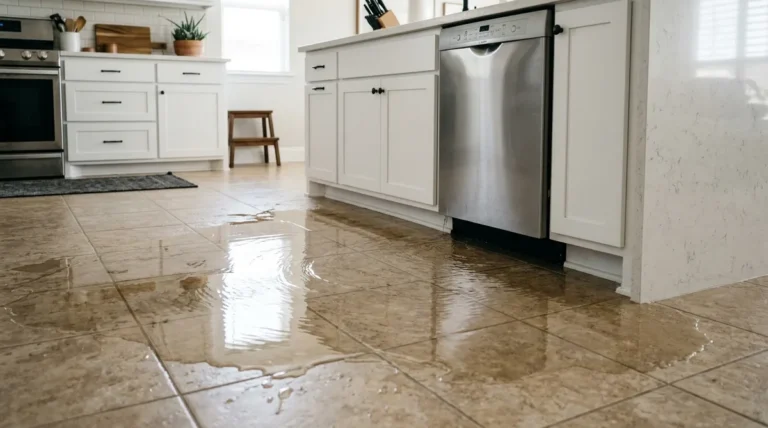
Integrating major residential appliances into modern living spaces presents a complex confluence of fluid mechanics, thermodynamic transfers, high-voltage electro-dynamics, and structural strain. How to Manage Appliance Installation Risks. A modern refrigerator, commercial-style gas range, or high-efficiency dishwasher cannot be regarded merely as plug-and-play consumer hardware. Each unit represents an active utility endpoint that interacts directly with built infrastructure, drawing continuous current, receiving pressurized fluids, or burning combustible fuel. When these mechanical interfaces are improperly secured, minor installation discrepancies frequently compound into catastrophic structural failures, water damage, or environmental health hazards.
The physical points of intersection between appliances and utility infrastructure remain inherently vulnerable to mechanical fatigue, pressure surges, and vibration. Flexible supply lines deteriorate under thermal cycling, while ungrounded high-amp electrical connections generate excessive resistance, creating thermal hot spots within wall cavities.
Building envelopes must absorb operational vibrations, isolate wastewater backflow, and dissipate waste heat efficiently to avoid accelerating the degradation of surrounding cabinet materials.
Understanding the engineering mechanics behind these appliances enables property owners and project managers to prevent long-term property destruction. Successful deployment requires rigorous dimensional verification, precise gas pressure regulation, dedicated circuit capacity, and continuous static head pressure testing. Treating appliance positioning as an engineered utility integration mitigates concealed leaks, subfloor degradation, and fire hazards long before hardware enters active service.
Structural Realities of Household Utility Connections
Connecting heavy motor-driven or heating appliances demands an evaluation of static and dynamic structural loads across cabinet bases and floor sub-structures.
Unlevel structural subfloors induce uneven frame twisting, causing internal pump seals to fail prematurely while accelerating localized cabinet wear.
Thermal Dissipation and Enclosure Clearances
High-output appliances emit significant operational heat, requiring exact physical clearance margins within surrounding joinery to support convection cooling.
Restricting rear airflow around refrigeration coils elevates internal compressor operating temperatures, triggering early component burnout and raising continuous electrical power draw.
Understanding How to Manage Appliance Installation Risks
Multi-Layered Technical Perspectives and Boundaries
Learning how to manage appliance installation risks demands a systematic evaluation of utility capacities, structural loads, and mechanical tolerances before physical delivery occurs. Many property owners oversimplify installation by focusing solely on whether a physical space accommodates the external frame dimensions of an appliance.
This superficial approach ignores the critical behind-the-wall infrastructure needed to support high-draw electrical elements, gas distribution volumes, and high-pressure drainage lines.
Effective risk mitigation relies on pre-installation site audits that measure actual utility supply metrics against manufacturer specification sheets.
Installing dedicated pressure regulators, metallic flex lines, and hardwired circuit protection shields the home against unexpected pressure spikes and electrical shorts.
Physical Differences Between Direct-Wire and Plug-In Connections
High-draw appliances like electric ranges and clothes dryers demand heavy-gauge conductors secured with mechanical compression terminals to prevent resistive heating.
Standard plug-in receptacles offer convenient disconnect options, yet spring-tensioned outlets loosen over years of thermal cycling, causing dangerous arc faults.
Selecting the appropriate connection method requires matching local electrical code requirements against appliance amperage ratings and servicing access needs.
Historical Evolution of Appliance Engineering and Safety
Industrial Modernization and Safety Protocol Standards
Early twentieth-century household appliances operated with minimal internal safety controls, relying on primitive rubber hoses, ungrounded wiring, and unvented gas burners. Dishwashers and washing machines frequently ruptured cast-iron drain lines, while unvented gas units leaked dangerous combustion byproducts into living quarters.
The development of standardized electrical codes, metallic braided hoses, and automatic thermal shutoff valves transformed household appliance safety profiles significantly.
Modern installations incorporate smart solenoid shutoff valves, sealed combustion chambers, and dedicated ground-fault circuit interrupters (GFCI) to mitigate operational risks automatically.
Evolution of Water Leak Detection Hardware
Traditional plumbing relied on manual gate valves that required human intervention whenever flexible supply lines burst under continuous water pressure.
Modern electronic leak detection systems use motorized ball valves wired to wireless floor sensors, shutting off incoming water supplies within seconds of moisture exposure.
Conceptual Frameworks for Risk Evaluation How to Manage Appliance Installation Risks
Interface Boundary and Environmental Strain Models
Evaluating appliance risks involves analyzing physical touchpoints where utility lines join internal appliance manifolds.
Maintaining sufficient slack in flexible supply loops absorbs continuous motor vibration, preventing stress fractures at threaded brass supply fittings.
The Thermal Cycling and Pressure Differential Model
Planners calculate physical stress factors by evaluating how continuous heating cycles expand metallic connectors and age polymer sealing washers.
Selecting temperature-rated stainless steel fittings ensures supply connections withstand hot water surges without softening or relaxing compression tension.
Utility Integration System Comparison Matrix
Comparing appliance installation protocols across safety, cost, and complexity metrics guides proper utility planning.
| Appliance System | Electrical Demand | Fluid Pressure Risk | Gas Ingress Hazard | Relative Labor Cost |
| Built-In Refrigerator | Moderate (Dedicated Circuit) | High (Ice Maker Line) | None | High |
| Gas Cooking Range | Low (Ignition Circuit) | None | High (BTU Fuel Supply) | High |
| High-Capacity Dishwasher | High (Heating Element) | Very High (Drain Surge) | None | Moderate |
| Electric Clothes Dryer | Exceptional (240V Supply) | Low (Condensate Line) | None | Moderate |
Primary Appliance Risk Categories and Protocols How to Manage Appliance Installation Risks
Selecting robust hardware components prevents system failures caused by thermal degradation, vibration looseness, and high utility line pressure.
| Category Typology | Core Mechanical Feature | Primary Risk Point | Mandatory Risk Protocol |
| Dishwasher Water Supply | Braided stainless polymer hose | Thread stripping on plastic inlet valves | Use elbow adapters with brass threads |
| Gas Range Fuel Connection | Yellow coated corrugated steel hose | Over-bending induces metal cracking | Maintain 4-inch bend radius limits |
| Refrigerator Ice Line | Quarter-inch copper/PEX tubing | Kinking behind pushed-in cabinets | Install recessed supply outlet boxes |
| Dryer Exhaust Ducting | Rigid metallic smooth-wall pipe | Lint accumulation triggers fires | Eliminate flexible foil accordion ducts |
Dishwasher Water Supply Systems
Dishwasher supply lines suffer frequent micro-leaks when installers cross-thread brass compression couplings onto delicate plastic appliance inlet valves.
Using brass-threaded elbow fittings prevents cross-threading while protecting soft plastic valve bodies from side-load strain during cabinet placement.
Gas Range Fuel Connections
Installing gas ranges requires connecting corrugated stainless steel tubing to rigid black iron gas lines without over-tightening threaded flare fittings.
Applying approved gas pipe sealant to male pipe threads while keeping flare seats completely clean ensures gas-tight seals without crushing flare faces.
Refrigerator Ice Maker Supply Lines
Pushing heavy refrigerators back against wall enclosures often kinks exposed plastic water lines, causing slow leaks or complete water flow blockages.
Installing recessed wall supply boxes protects shutoff valves and flexible lines within protected wall cavities, eliminating tube kinking entirely.
Dryer Exhaust Ventilation Runs
Using flexible foil or vinyl accordion ducting behind clothes dryers traps flammable lint inside ribbed grooves, creating severe fire hazards.
Specifying smooth-walled rigid metallic ducting minimizes internal air friction, expelling lint efficiently while reducing dryer operating temperatures.
Detailed Real-World Installation Scenarios How to Manage Appliance Installation Risks
High-Pressure Commercial-Grade Ranges in Residential Spaces
Installing a commercial-style gas range requires upgrading standard half-inch residential gas supply lines to three-quarter-inch piping to supply high-BTU burners.
Plumbers install high-capacity pressure regulators while HVAC technicians add dedicated makeup air dampers to balance powerful exhaust hood airflow.
Integrating Built-In Refrigerators into Custom Cabinetry
Positioning a heavy built-in refrigerator inside tight custom cabinetry requires verifying subfloor levelness and structural load-bearing capacity.
Installers secure anti-tip floor anchors into solid floor joists, preventing the tall appliance from tipping forward when heavy doors swing open.
Retrofitting High-Efficiency Dishwashers in Antique Cabinets
Placing modern dishwashers into historic kitchens often reveals shallow cabinet depths and outdated, ungrounded two-wire electrical circuits.
Electricians pull new grounded circuits protected by GFCI breakers, while cabinetmakers modify rear framing to clear drain lines safely.
Economic Dynamics and Resource Allocation
Direct Expenses and Hidden Property Liabilities
Budgeting for appliance installations involves balancing upfront hardware expenses against the catastrophic cost of concealed structural water damage.
| Expense Category | Typical Budget Share | Primary Cost Drivers |
| Utility Rough-In Upgrades | 35% – 45% | Electrical panel expansion, gas pipe sizing |
| Hardware & Safety Kits | 25% – 30% | Stainless braided hoses, shutoff valves, ducting |
| Certified Trade Labor | 30% – 40% | Licensed plumber, certified electrician rates |
Labor Costs and Certified Trade Requirements
Attempting un-permitted DIY installations on high-voltage or fuel-gas appliances increases property liability and invalidates homeowner insurance policies.
Hiring licensed trade professionals ensures code compliance, provides installation warranty coverage, and protects structural property assets.
Specialized Tools, Diagnostic Hardware, and Testing
Detection Instruments and Pressure Gauge Verification
Master installers rely on specialized diagnostic instruments to verify utility line integrity before energizing new appliances.
-
Digital Combustible Gas Detectors: Sensitive electronic sniffers that identify microscopic hydrocarbon leaks around gas fittings.
-
Hydrostatic Pressure Gauges: Water pressure testing assemblies that verify static supply pressure remains within safe operating limits.
-
Non-Contact Thermal Cameras: Infrared sensors that identify electrical resistance heating across breaker terminals and wall outlets.
Advanced Backflow and Pressure Isolation Valves
Installing pressure-reducing valves on residential supply lines limits incoming municipal pressure spikes to safe fifty-pound thresholds.
Adding check valves and high-drain loops on dishwasher installations prevents dirty sink wastewater from siphoning back into clean washing tubs.
Comprehensive Risk Taxonomy and Failure Cascades
Multi-System Failure Modes and Collateral Damage
Appliance failures often cascade beyond primary utility fittings, causing extensive secondary damage to surrounding architectural building elements.
Installing secondary containment pans fitted with active moisture alarms beneath hidden water connections mitigates structural rot hazards.
Electrical Arc Faults and Cabinets Overheating
Overloaded electrical circuits and loose wire nuts generate electrical arcing, igniting surrounding wood cabinet frames silently behind installed appliances.
Securing all electrical splices inside approved metal junction boxes prevents internal sparks from escaping into surrounding combustible materials.
Governance, Municipal Codes, and System Maintenance
Permit Audits and Preventive Inspection Intervals
Local building codes mandate strict inspection milestones to confirm gas line tightness, electrical grounding safety, and backflow isolation.
| Inspection Stage | Primary Verification Target | Corrective Action Threshold |
| Rough-In Inspection | Gas pressure drop test, wire gauge sizing | Zero pressure drop over fifteen minutes |
| Utility Connect Audit | Shutoff valve accessibility, gas flex lines | Replace non-compliant flexible connectors |
| Final Operational Check | GFCI trip speed, vent hood CFM airflow | Adjust ventilation speed; fix wiring reverse |
Scheduled Maintenance for Long-Term Safety
Inspecting flexible supply hoses annually and replacing polymer washers every five years prevents unexpected material degradation and leaks.
Cleaning dryer ventilation ducts every six months eliminates combustible lint accumulation, maintaining optimal airflow and lowering fire risks.
Quantitative Tracking and Performance Metrics
Evaluating installation success requires monitoring utility line pressure, electrical current draw, and fluid evacuation speeds continuously.
Quantitative Performance Metrics
-
Static Water Supply Pressure: Verifying incoming potable water stays between forty and sixty pounds per square inch.
-
Electrical Load Draw: Confirming operating current draw remains below eighty percent of dedicated circuit breaker ratings.
-
Gas Line Static Hold: Measuring zero pressure drop on a mercury manometer across a ten-minute isolation test.
Qualitative System Signals
-
Vibration-Free Operation: Appliances run smoothly without rattling adjacent cabinets or generating excessive floor noise.
-
Odorless Combustion Performance: Gas burners ignite promptly with clear blue flames, releasing no unburned fuel odors.
Common Installation Myths and Misconceptions How to Manage Appliance Installation Risks
Unraveling Industry Oversimplifications
Homeowners frequently assume brand-new supply hoses included in appliance shipping boxes meet high commercial quality standards.
In reality, factory-included plastic hoses often represent bare-minimum compliance items, making aftermarket braided stainless lines a safer choice.
Myth 1: Hand-Tightening Plastic Water Fittings Is Sufficient
Installers sometimes believe hand-tightening plastic water inlet couplings provides enough torque to prevent high-pressure leaks.
However, thermal expansion shifts loosen hand-tightened plastic threads over time, making exact quarter-turn wrench tightening necessary.
Myth 2: Any Existing Electrical Outlet Can Power New Appliances
Property owners often assume standard wall outlets can support modern high-efficiency refrigerators or wall ovens safely.
In truth, modern appliances require dedicated circuits to prevent voltage drops and avoid nuisance tripping on shared household lines.
Ethical, Environmental, and Operational Considerations
Environmental Stewardship and Resource Conservation
Managing appliance installation risks involves disposing of old hazardous refrigerants, mercury switches, and scrap metal responsibly.
Recycling old appliances prevents toxic oil leakage in landfills while recovering valuable copper and aluminum raw materials.
| Environmental Metric | Standard Disposal | Eco-Friendly Protocol |
| Refrigerant Recovery | Atmospheric Venting (Illegal) | Certified EPA Section 608 Vacuum Recovery |
| Scrap Metal Sourcing | Mixed Solid Waste Landfill | Dedicated Metal Recycling Yard Processing |
| Packaging Waste | Single-Use Trash Dumping | Cardboard & Expanded Polystyrene Segregation |
Adopting environmentally responsible installation standards protects local ecosystems while supporting circular manufacturing economies.
Final Synthesis
Managing appliance installation risks effectively requires treating every unit as a complex utility integration rather than a simple plug-in consumer device. Aligning structural floor support, precise electrical capacity, gas fuel volume, and high-pressure water connections shields properties from catastrophic failures.
When homeowners, project managers, and trade specialists prioritize certified components, thorough pressure testing, and code compliance, household appliances deliver safe, reliable performance for decades.